Application of adaptive synchrosqueezing transform in ground-penetrating radar-based advance geological prediction in tunnels
MA Wen-De1(), TIAN Ren-Fei2(), ZHENG Wei3
1. Institute of Design and Research of Geotechnical Engineering, China Railway Eryuan Engineering Group Co.,Ltd., Chengdu 610032, China 2. College of Geophysics, Chengdu University of Technology, Chengdu 610059, China 3. China Railway 23rd Bureau Group Rail Transit Enging Co., Ltd., Shanghai 201314, China
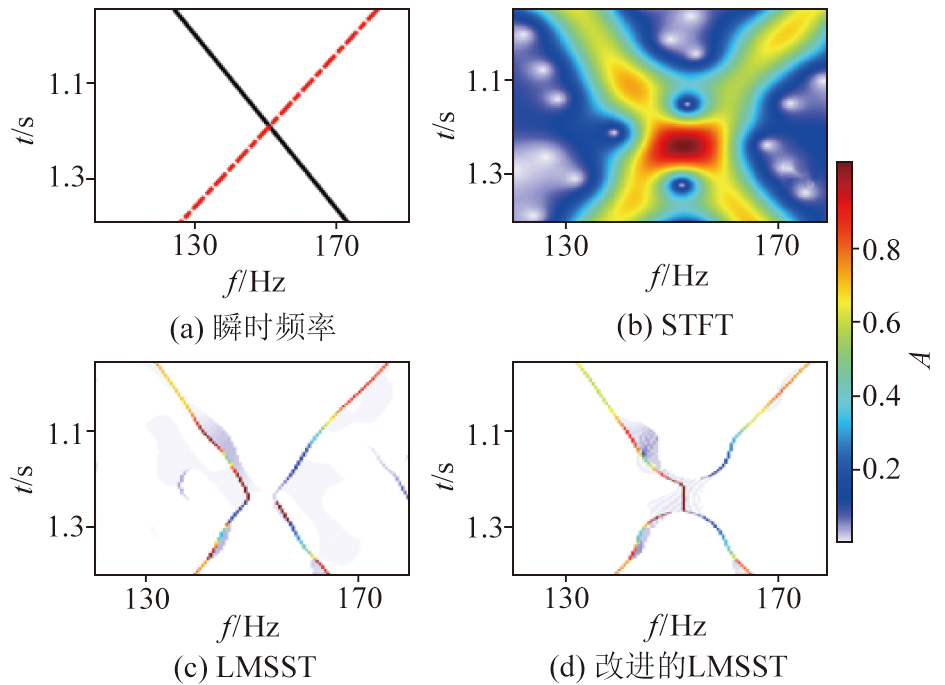
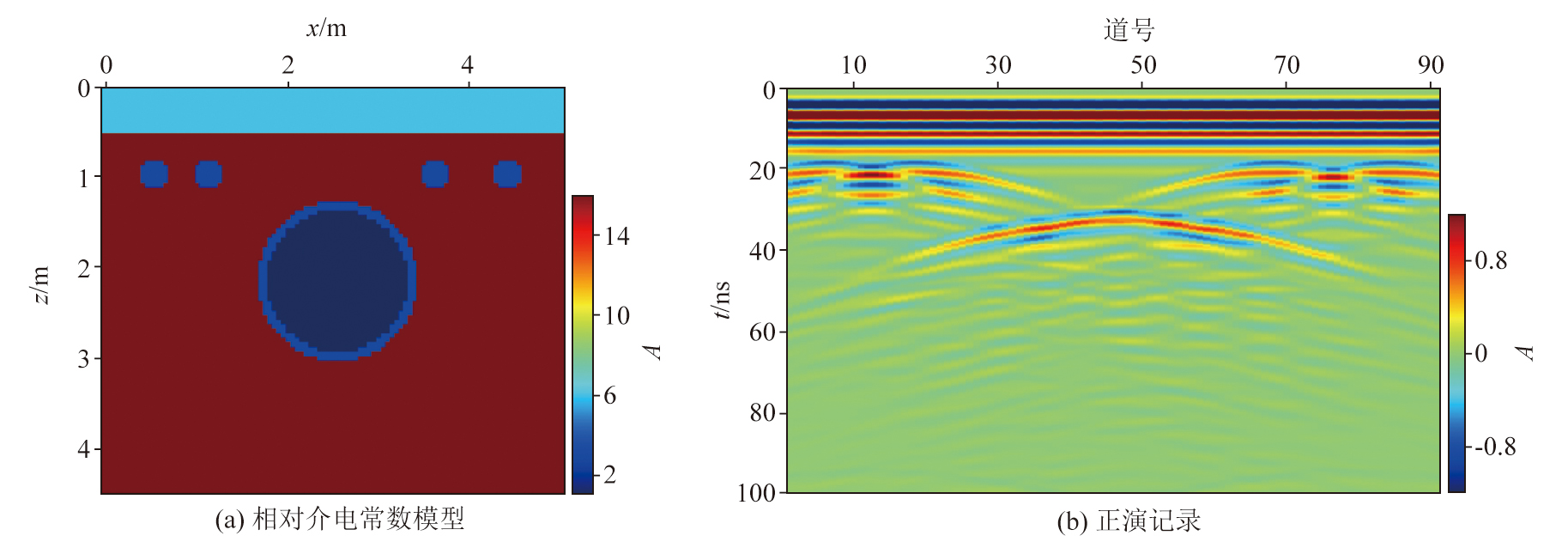
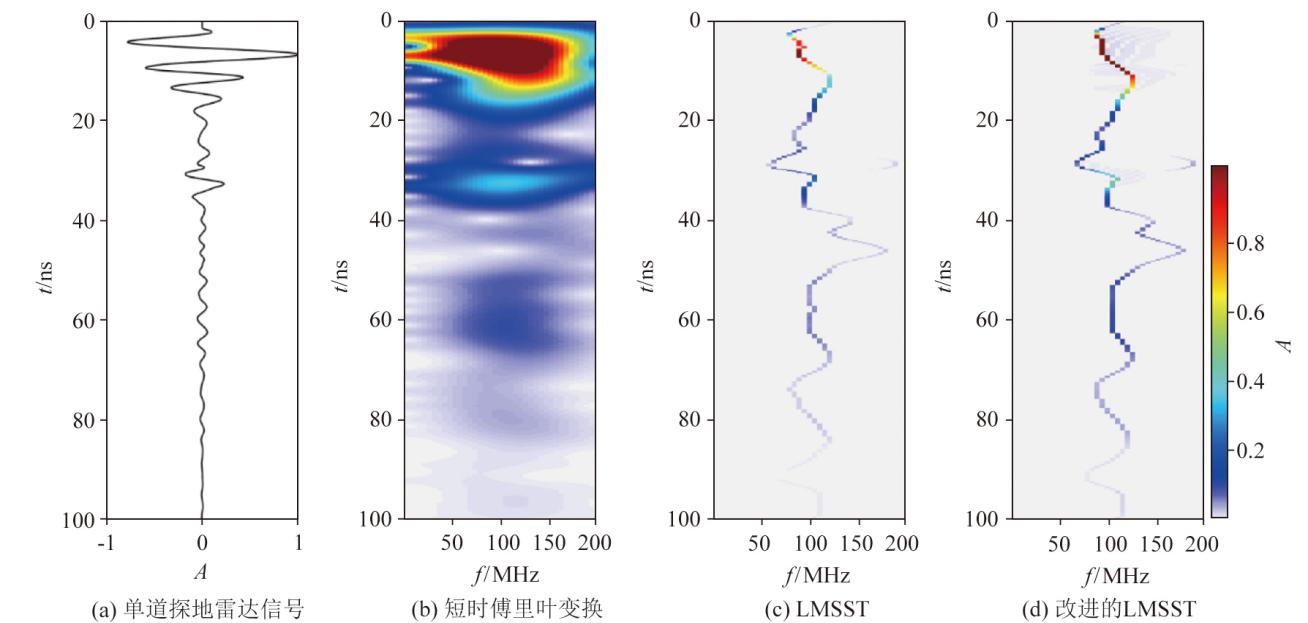
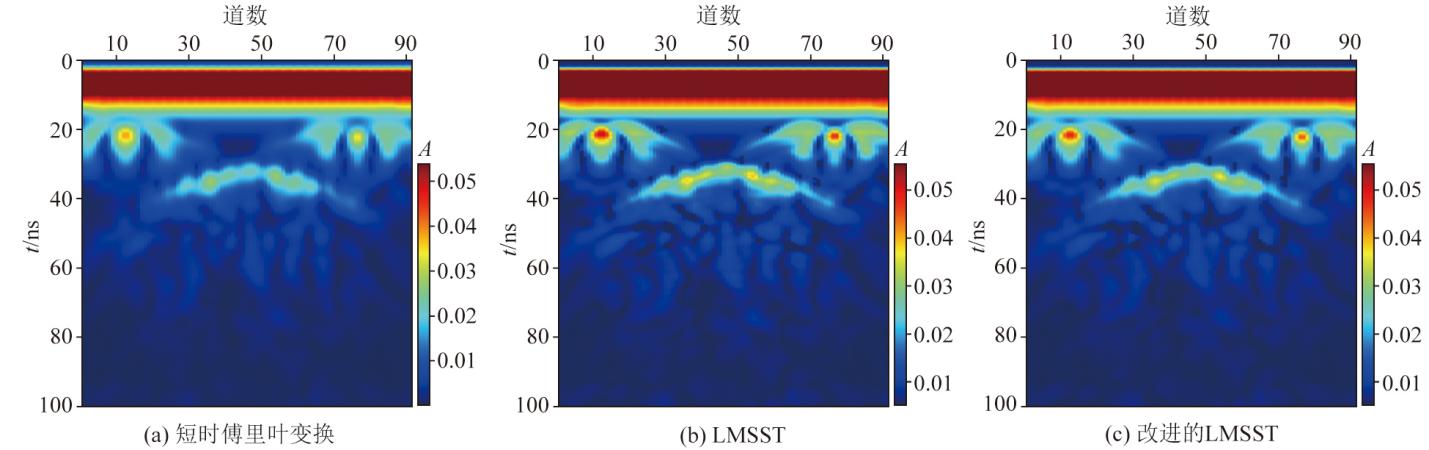
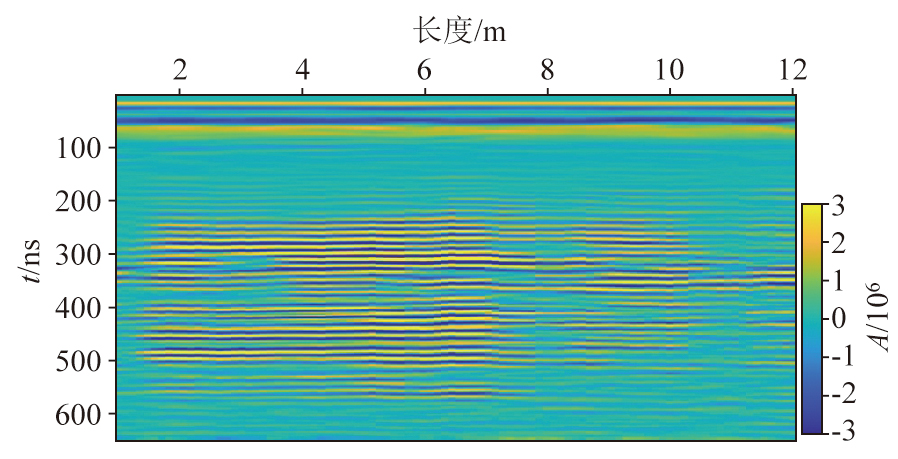
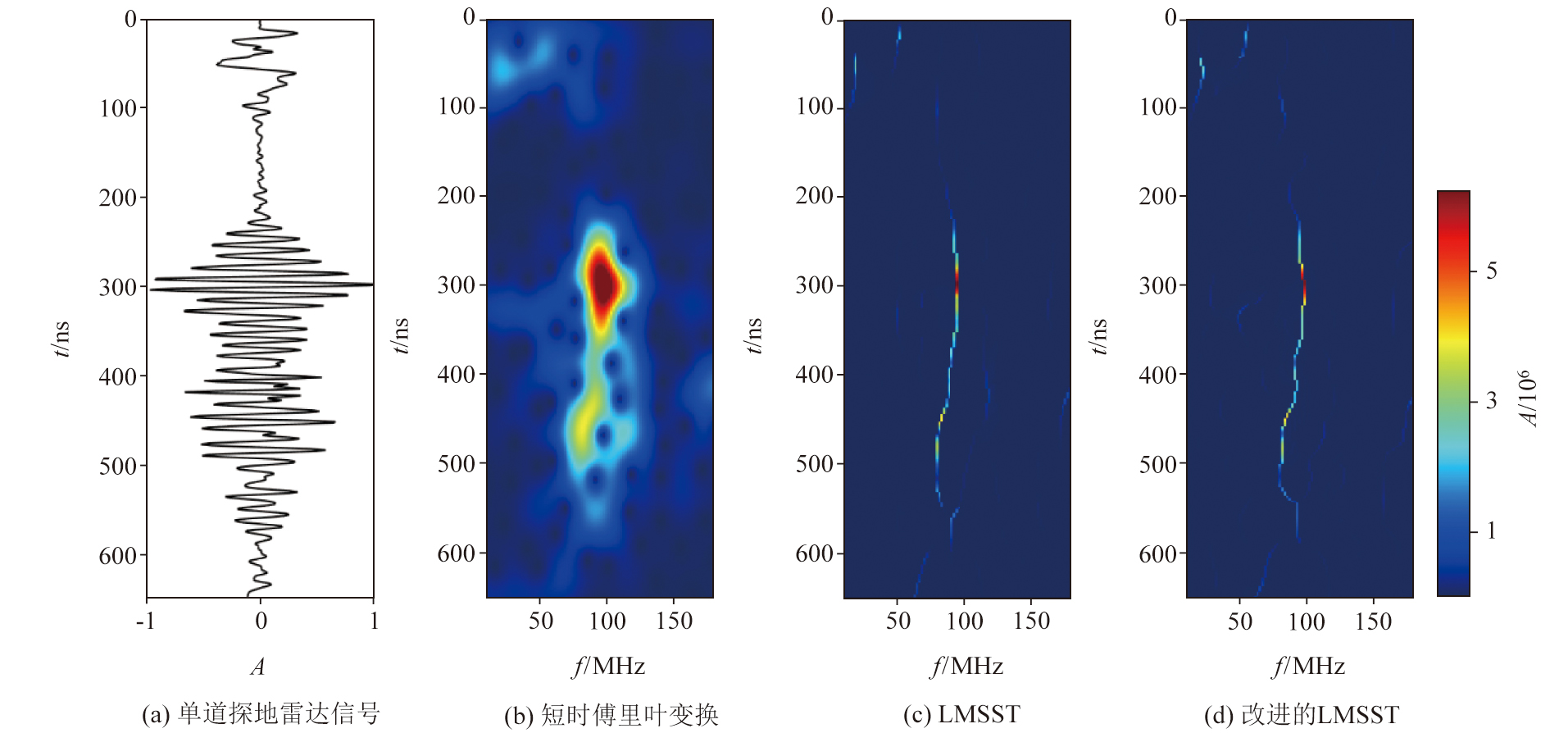
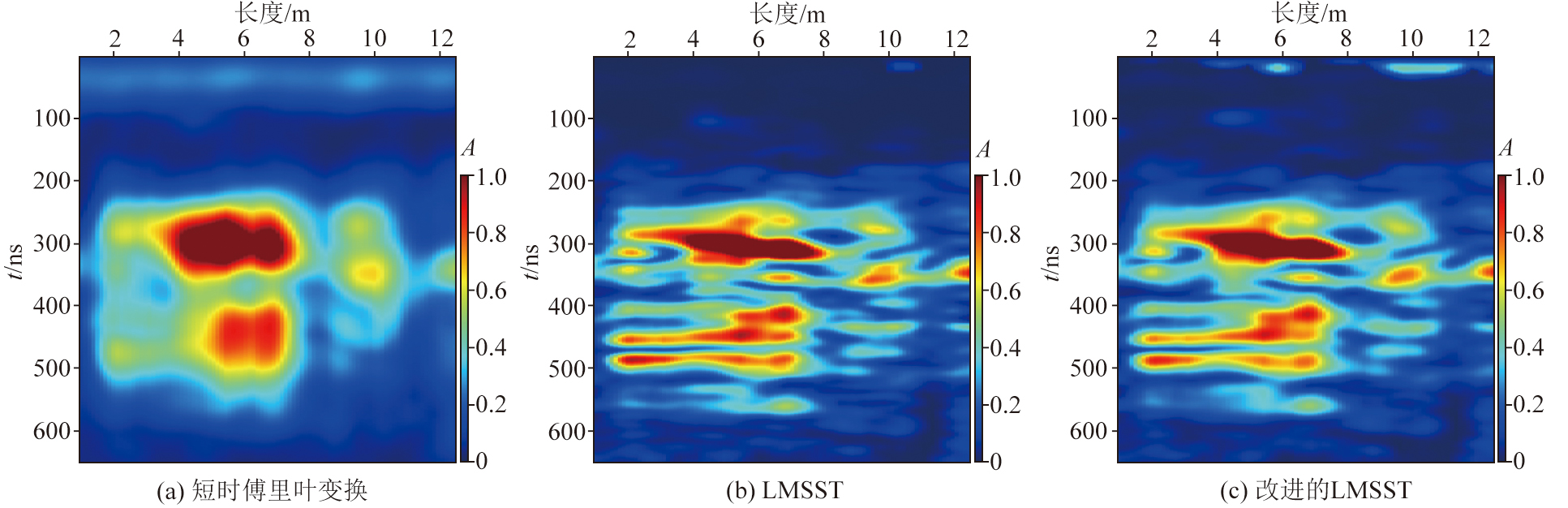
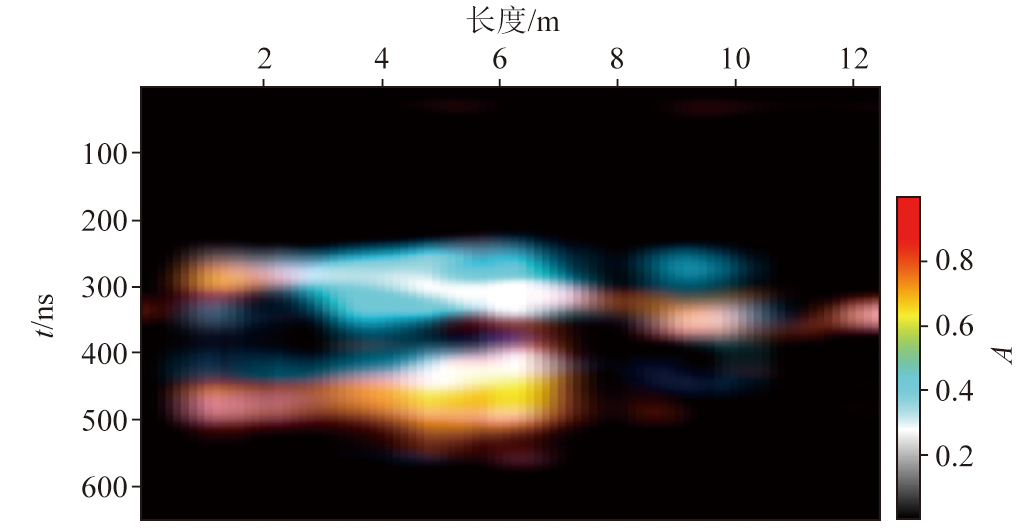
Advance geological prediction in tunnels faces technical challenges,including strong non-stationarity of ground-penetrating radar(GPR) signals and insufficient resolution of conventional time-frequency analyses.Hence,this study proposed an improved method based on adaptive local maximum synchrosqueezing transform(LMSST).The proposed method significantly enhanced the time-frequency resolution and noise robustness of traditional LMSST through a dynamic bandwidth optimization algorithm and local extremum search strategies.Theoretical analysis and synthetic signal testing demonstrated the superior time-frequency energy concentration characteristics of the proposed method in analyzing cross-frequency modulation components.Furthermore,the proposed method was applied to the karst tunnel section of a high-speed railway in Southwest China.Combined with the GprMax forward modeling and GPR measurements,the proposed method successfully identified geological anomalies such as karst caves.Subsequent excavation verification confirmed the identification accuracy,with positional errors of anomaly boundaries below 0.3 m.Overall,the results of this study suggest the proposed method's efficiency in enhancing time-frequency resolution and substantial engineering applicability,offering reliable technical support for tunnel construction safety in karst areas.
Gao S Q, Jiang L W, Mou Y C, et al. Advanced geological forecasting techniques for railway tunnels in the complex and treacherous mountainous areas of southwest China[J]. Modern Tunnelling Technology, 2024, 61(2):52-59.
[2]
孙广凯. 贵南高铁岩溶隧道综合超前地质预报方法研究[D]. 成都: 成都理工大学, 2023.
[2]
Sun G K. Study on comprehensive advanced geological prediction method of karst tunnel in Guinan high-speed railway[D]. Chengdu: Chengdu University of Technology, 2023.
Zheng W, Tian R F, Sun G K. Research on prognosis method of ground penetrating radar tunnel based on time-frequency multisqueezing transformation[J]. Chinese Journal of Engineering Geophysics, 2025, 22(1):99-108.
Yu S W, Niu G, Qin H, et al. Time and frequency analysis of GPR data for tunnel geological forecast of karst caves[J]. Geotechnical Investigation & Surveying, 2023, 51(10):67-72.
Zheng W, Tian R F, Gao Y H, et al. Application of time-frequency peak filtering with minimum mean cross-entropy in ground penetrating radar signal denoising[J]. Geophysical and Geochemical Exploration, 2025, 49(2):404-410.
[7]
Javadi M, Ghasemzadeh H. Wavelet analysis for ground penetrating radar applications:A case study[J]. Journal of Geophysics and Engineering, 2017, 14(5):1189-1202.
[8]
Guo S L, Yu M Y, Xu Z W, et al. Study on the attribute characteristics of road cracks detected by ground-penetrating radar[J]. Sensors, 2025, 25(3):595.
[9]
Dong H R, Yu G, Jiang Q T. Time-frequency-multisqueezing transform[J]. IEEE Transactions on Industrial Electronics, 2024, 71(4):4151-4161.
[10]
Xu J, Ren Q, Shen Z. Ground-penetrating radar time-frequency analysis method based on synchrosqueezing wavelet transformation[J]. Journal of Vibroengineering, 2016, 18(1):315-323.
[11]
Yu G, Wang Z H, Zhao P, et al. Local maximum synchrosqueezing transform:An energy-concentrated time-frequency analysis tool[J]. Mechanical Systems and Signal Processing, 2019, 117:537-552.
[12]
Li Z, Sun F Y, Gao J H, et al. Multi-synchrosqueezing wavelet transform for time-frequency localization of reservoir characterization in seismic data[J]. IEEE Geoscience and Remote Sensing Letters, 2022, 19:7505305.
Jing Y, Tian R F, Guo S J. Research on frequency attenuation gradient method based on LMSST time frequency analysis[J]. Progress in Geophysics, 2024, 39(2):689-703.
Liu J L, Li Y Z, Su J L, et al. Instantaneous frequency estimation of nonstationary response signals of time-varying structures based on ILMSST[J]. Earthquake Engineering and Engineering Dynamics, 2024, 44(2):72-80.
[15]
Zhou Y, Ling B W. Adaptive local maximum synchrosqueezing transform via adaptive window with time-varying function and time- varying searching region[J]. IEEE Transactions on Instrumentation and Measurement, 2024, 73:6501019.
[16]
Hou Y T, Zhang J Z, Han X C, et al. Local maximum synchrosqueezing adaptive transformation for cross-instantaneous frequencies analysis[J]. Measurement Science and Technology, 2025, 36(1):016123.
[17]
Cheng Q, Cui F, Zhang G X, et al. Ground-penetrating radar subsurface attenuation analysis based on a sparsity-promoting time-frequency transform[J]. Geophysics, 2024, 89(6):KS145-KS157.
Deng G W, Wang Q R, Liao J P, et al. Forward modeling and advanced detection of radar in adverse geological phenomena tunnel[J]. Geophysical and Geochemical Exploration, 2015, 39(3):651-656.
[19]
Akinsunmade A, Karczewski J, Mazurkiewicz E, et al. Finite-difference time domain(FDTD) modeling of ground penetrating radar pulse energy for locating burial sites[J]. Acta Geophysica, 2019, 67(6):1945-1953.
[20]
Alani A M, Tosti F. GPR applications in structural detailing of a major tunnel using different frequency antenna systems[J]. Construction and Building Materials, 2018, 158:1111-1122.
[21]
He T, Peng S P, Cui X Q, et al. An advanced instantaneous frequency method for ground-penetrating radar cavity detection[J]. Journal of Applied Geophysics, 2023, 212:104993.
Liu W X, Wang H, Wan Q H, et al. Fine analysis of braided river delta reservoir architecture based on frequency division RGB fusion technology[J]. Journal of Earth Sciences and Environment, 2022, 44(5):765-774.