Analysis and removal of electromagnetic coupling effects in the large-depth induced polarization method
JI Zhen-Xing1(), QIN Hao-Jie2,3, CHEN Ru-Jun2,3,4,5(), WANG Quan-Gong1
1. Jiangsu Geological Bureau, Nanjing 210018, China 2. School of Geosciences and Info-Physics, Central South University, Changsha 410083, China 3. AIoT Innovation and Entrepreneurship Education Center for Geology and Geophysics, Central South University, Changsha 410083, China 4. Hunan Key Laboratory of Non-ferrous Resources and Geological Hazard Exploration, Changsha 410083, China 5. Key Laboratory of Metallogenic Prediction of Nonferrous Metals and Geological Environment Monitoring, Ministry of Education, Central South University, Changsha 410083, China
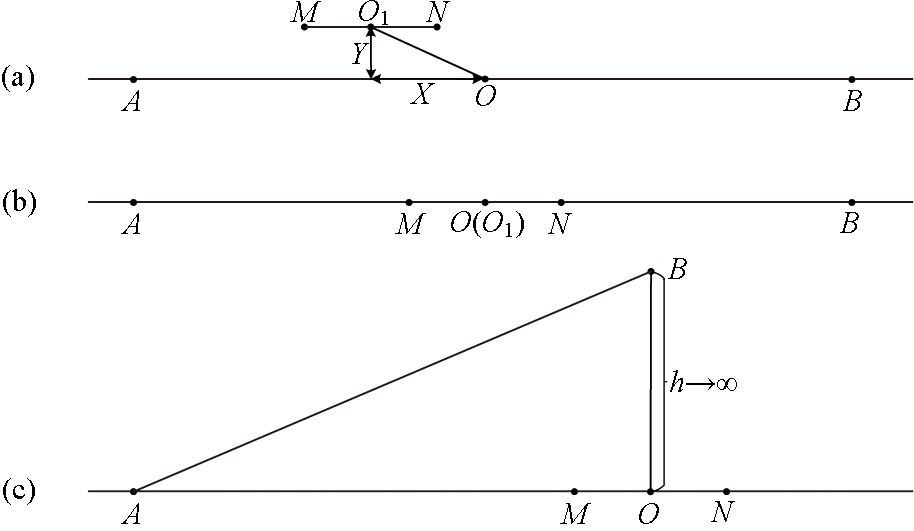
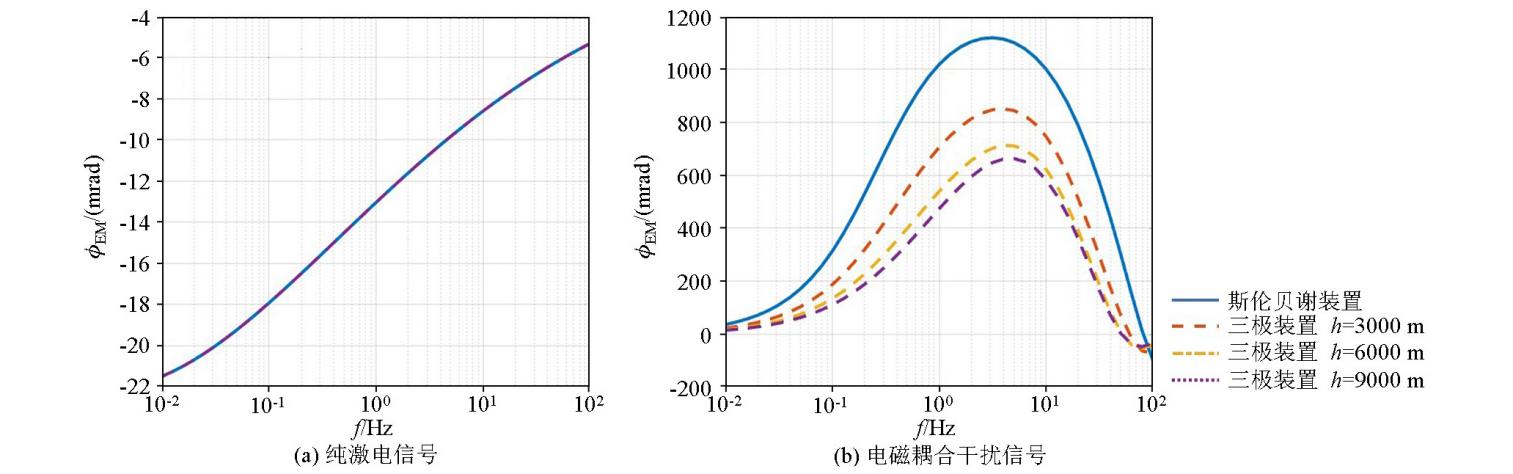
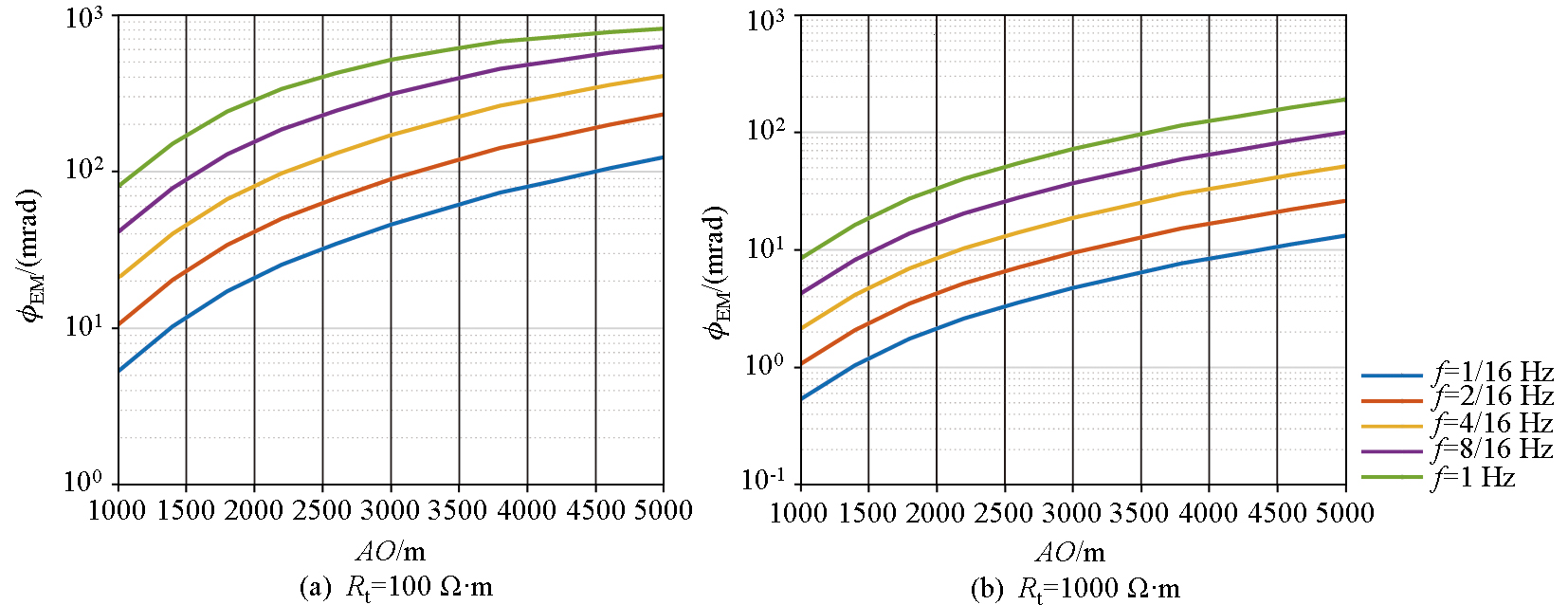
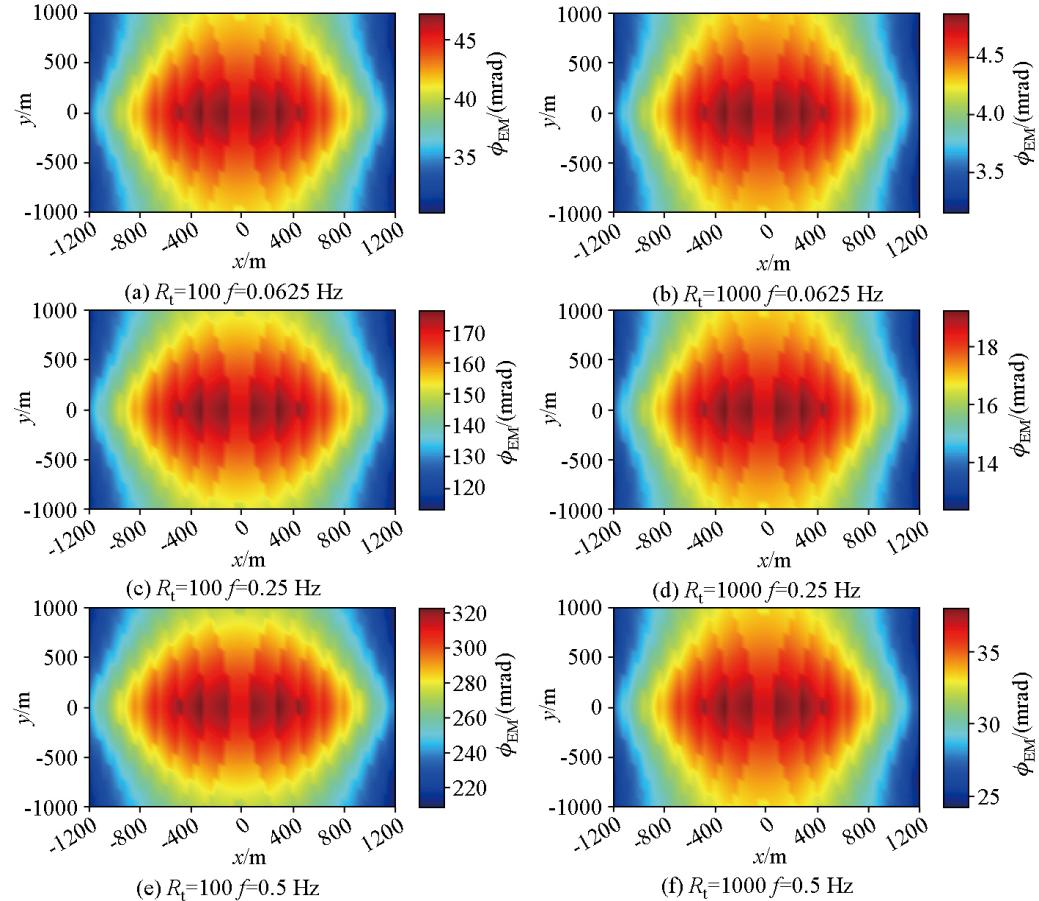
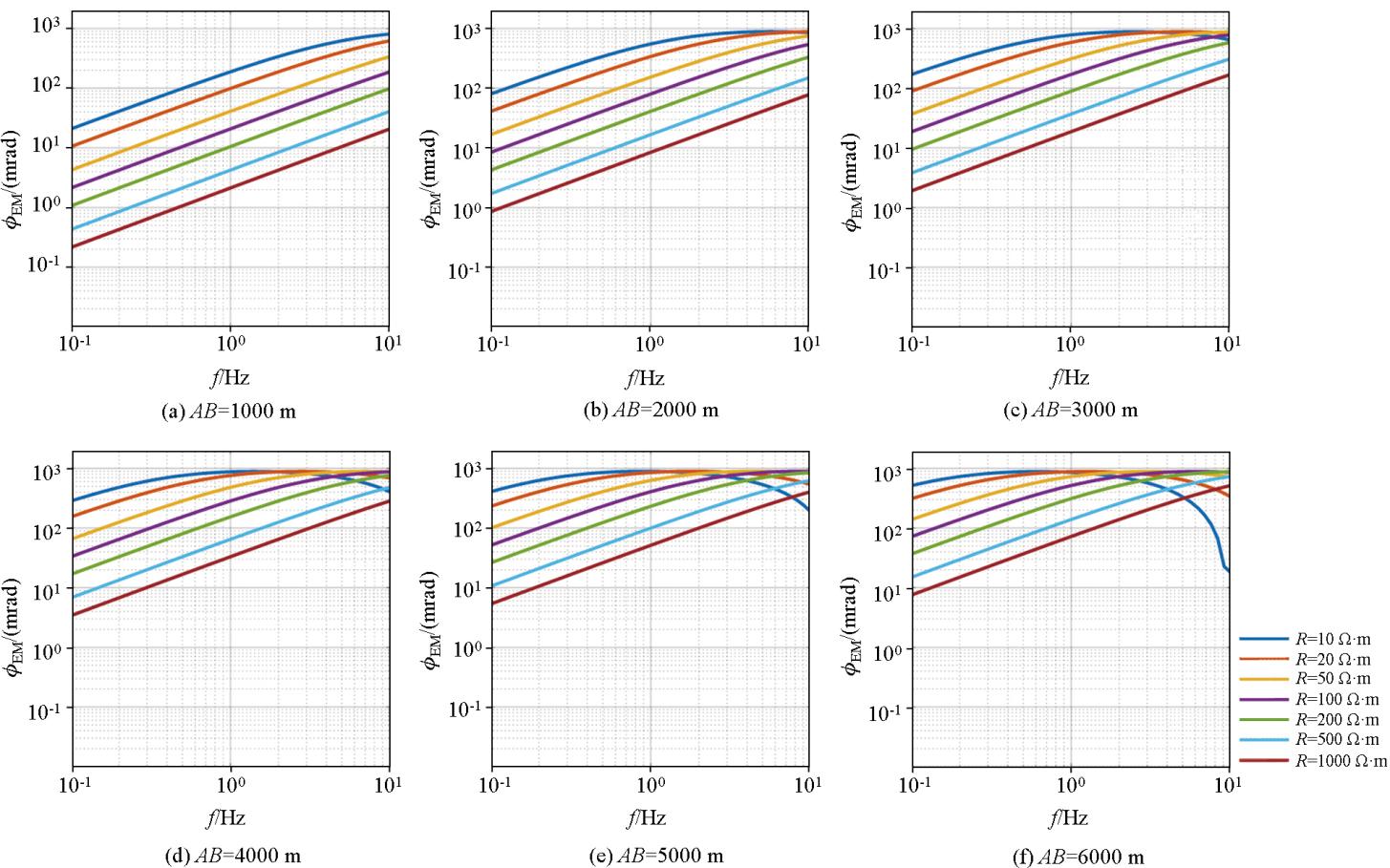
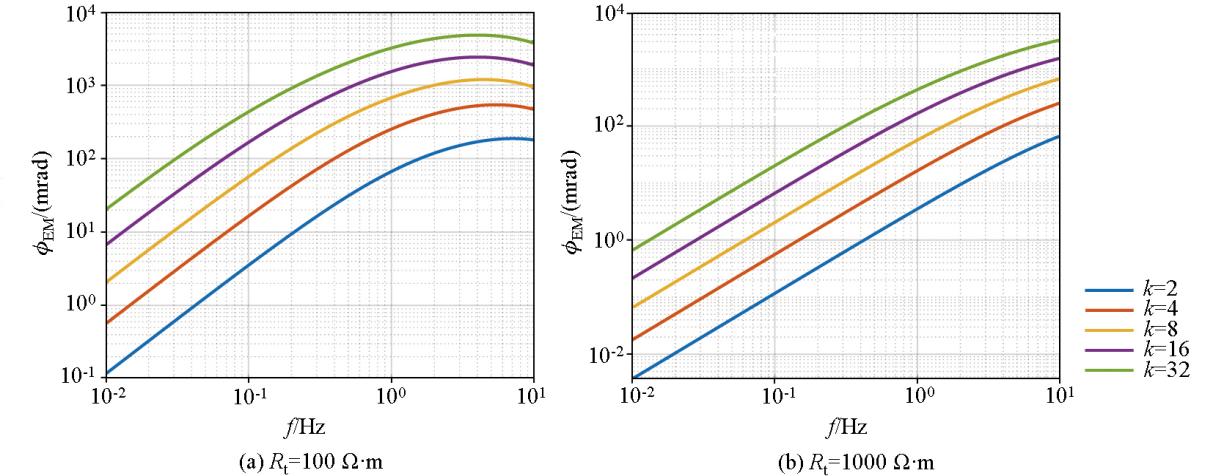
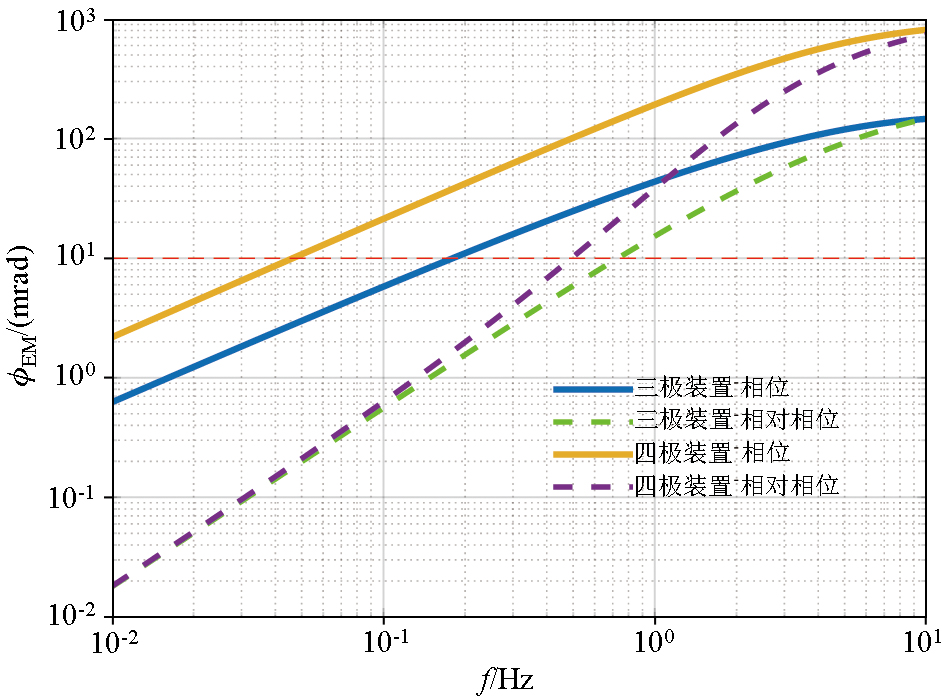
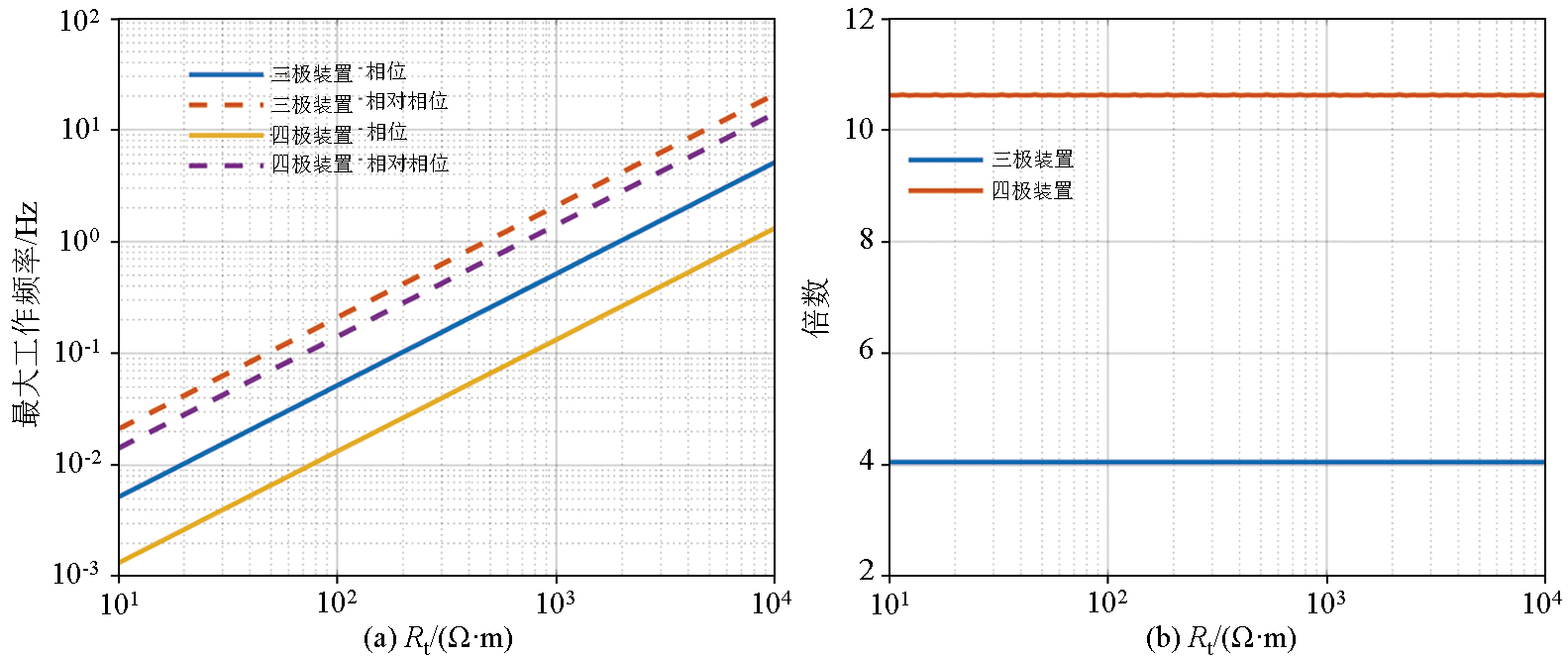
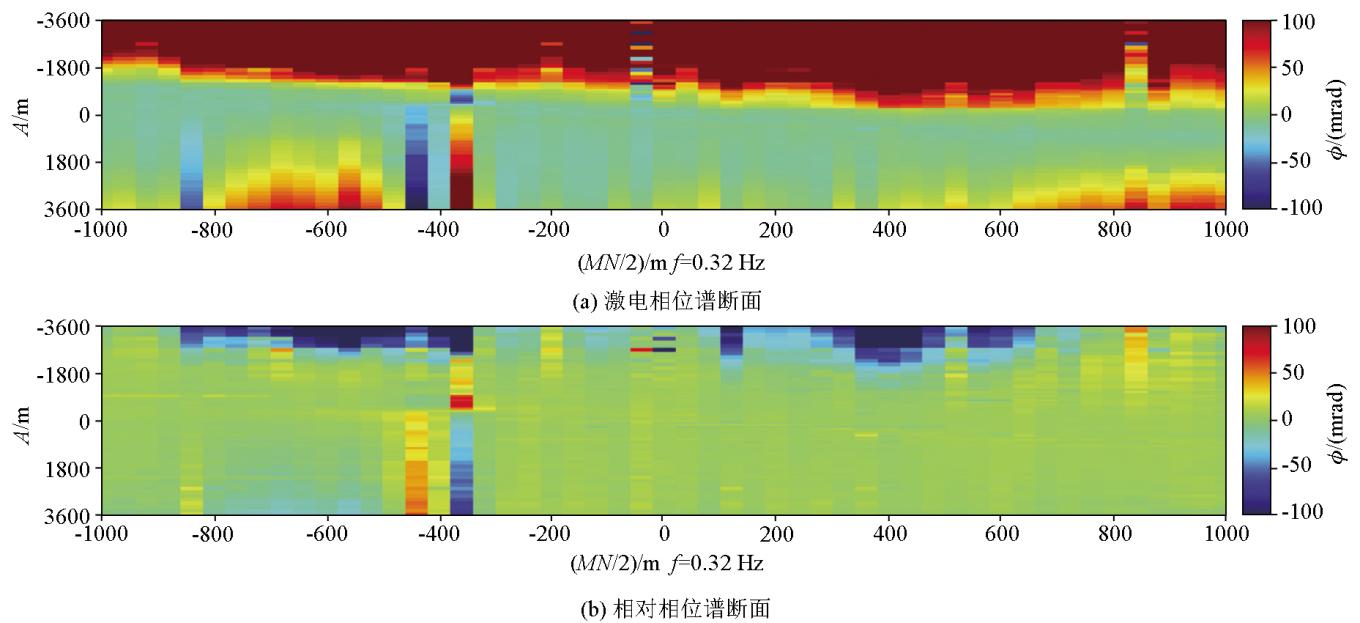
With the gradual depletion of shallow mineral resources, deep mineral exploration has emerged as an essential development trend in the mining industry. Increasing the distance between receiver electrodes of induced polarization (IP) devices is the most direct and effective approach to enhance the exploration depth. However, a long distance can cause strong electromagnetic (EM) coupling effects, severely interfering with IP signals. Addressing this challenge, this study calculated the EM coupling effects of various measuring devices in homogeneous half-space and layered media using analytical methods. Furthermore, this study comparatively analyzed the impacts of various factors, including measuring device type, wiring layout, distance between receiver electrodes, earth resistivity, and frequency, on the EM coupling intensity. Based on the phase differences between IP and EM coupling effects in the frequency domain, this study derived the calculation equation of the relative phase spectrum, followed by a theoretical analysis of the decoupling effects in application scenarios. The results indicate that increasing distance between receiver electrodes, decreasing earth resistivity, and raising working frequency all significantly intensified the EM coupling interference. Under consistent conditions and detection depths, the Schlumberger array suffered from higher EM coupling interference compared to the pole-dipole array. Compared to the traditional IP phase spectrum, the relative phase spectrum enhanced the maximal working frequency of the pole-dipole and Schlumberger arrays by four and 10.6 times, respectively, suggesting the decoupling capability of the relative phase method in large-depth IP exploration. Overall, this study provides significant guidance for the field implementation of large-depth IP exploration.
Teng J W, Yang L Q, Yao J Q, et al. Deep disscover ore, exploration and exploitation for metal mineral resocrces and its deep dynamical process of formation[J]. Progress in Geophysics, 2007, 22(2):317-334.
Li P, Luo Y Q, Tian Y, et al. Research progress of geophysical exploration technology for deep geological resources[J]. Progress in Geophysics, 2021, 36(5):2011-2033.
[4]
Davydycheva S, Rykhlinski N, Legeido P. Electrical-prospecting method for hydrocarbon search using the induced-polarization effect[J]. Geophysics, 2006, 71(4):G179-G189.
[5]
Veeken P C, Legeydo P J, Davidenko Y A, et al. Benefits of the induced polarization geoelectric method to hydrocarbon exploration[J]. Geophysics, 2009, 74(2):B47-B59.
[6]
Schleifer N, Weller A, Schneider S, et al. Investigation of a Bronze Age plankway by spectral induced polarization[J]. Archaeological Prospection. 2002, 9:243-25.
doi: 10.1002/arp.v9:4
[7]
Gazoty A, Fiandaca G, Pedersen J, et al. Application of time domain induced polarization to the mapping of lithotypes in a landfill site[J]. Hydrology and Earth System Sciences, 2012, 16(6):1793-1804.
doi: 10.5194/hess-16-1793-2012
[8]
Routh P S, Oldenburg D W. Electromagnetic coupling in frequency-domain induced polarization data:A method for removal[J]. Geophysical Journal International, 2001, 145(1):59-76.
doi: 10.1111/gji.2001.145.issue-1
[9]
Wang J, Zhan K, Shien L, et al. Fundamental characteristics of an approximate correction method for electromagnetic coupling in frequency-domain induced polarization[J]. Geophysics, 1985, 50(2):235-241.
doi: 10.1190/1.1441913
Chen R J, Luo W B, He J S, et al. The data acquisition system in the high-precision multi frequency electric method[J]. Geophysical and Geochemical Exploration, 2003, 27(5):375-378.
Xiao D, Guo P, Lin P R, et al. Phase-IP experimental effects under the condition of strong interference and difficult grounding[J]. Computing Techniques for Geophysical and Geochemical Exploration, 2016, 38(5):593-597.
Fu G H, Pan Z, Cheng H, et al. Decoupling model and simulation analysis from signal transmitters in frequency domain IP[J]. Progress in Geophysics, 2016, 31(4):1569-1574.
Xu Y, Chen L, Guan W H. The correction principle and examples of electromagnetic coupling effect in frequency conversion method[J]. Western Resources, 2012,(4):190-191.
Cui Y L, Bai Y C, Luo W B. The application of multiple frequency decoupling method to the removal of dual-frequency IP coupling effect[J]. Geophysical and Geochemical Exploration, 2006, 30(1):71-74.
Guo P. A study on electromagnetic coupling of central gradient array phase-IP[J]. Computing Techniques for Geophysical and Geochemical Exploration, 2015, 37(1):22-26.
Guo P, Lin P R, Shi F S. The phase-IP electromagnetic coupling correction technique of two frequencies[J]. Geophysical and Geochemical Exploration, 2010, 34(4):489-492.
Chen R J, He J S, Bai Y C, et al. The study of relative phase spectrum in multi-frequency induced polarization[J]. Journal of Central South University of Technology:Natural Science Edition, 2004, 35(1):106-111.
Xiang B W, Chen R J, Chun S H, et al. A new method for removing EM-coupling in spread spectrum induced polarization based on exponential function fitting[J]. Geophysical and Geochemical Exploration, 2015, 39(5):1053-1058.
[22]
Thomas I N, Francois B. CRID mod:A matlab program to model ID complex resisivity effects in electrical and electromagnetic surveys[J]. Computer & Geosciences, 2006, 32(9):1411-1419.
doi: 10.1016/j.cageo.2006.01.001
[23]
Madden T R, Cantwell T. Induced polarization,a review[C]// Society of Exploration Geophysicists, 1967.
[24]
Sunde E D. Earth conduction effects in transmission system[M]. New York: Dover, 1968.
[25]
Dey A, Morrison H F. Electromagnetic coupling in frequency and time-domain induced-polarization surveys over a multilayered earth[J]. Geophysics, 1973, 38:380-405.
doi: 10.1190/1.1440348
[26]
于立波. 一维频谱激电法正反演研究[D]. 长春: 吉林大学, 2010.
[26]
Yu L B. The study of simulation and inversion of 1D spectrum induced polarization method[D]. Changchun: Jilin University, 2010.
[27]
刘飞. 含电磁耦合效应的频谱激电一维正反演[D]. 抚州: 东华理工大学, 2014.
[27]
Liu F. One-dimensional forward and backward modeling of spectrum induced polarization with electromagnetic coupling effect[D]. Fuzhou: East China Institute of Technology, 2014.
[28]
Ghorbani A, Camerlynck C, Florsch N. CR1Dinv:A Matlab program to invert 1D spectral induced polarization data for the Cole-Cole model including electromagnetic effects[J]. Computers & Geosciences, 2009, 35(2):255-266.
doi: 10.1016/j.cageo.2008.06.001
Niu C, Shi L Q, Xiao L L, et al. Influence of pole-dipole array electric sounding under non-infinite space[J]. Progress in Geophysics, 2013, 28(6):3324-3331.