|
|
|
| A deep learning-based method for separating up- and down-going waves in zero-offset vertical seismic profiles |
WANG Teng-Yu1,2,3( ), DENG Ding-Ding4(), ZHENG Duo-Ming1,2,3, LIU Yang4, ZHANG Zhen1, LUO Wen-Jun5 ), DENG Ding-Ding4(), ZHENG Duo-Ming1,2,3, LIU Yang4, ZHANG Zhen1, LUO Wen-Jun5 |
1. Research Institute of Exploration and Development, Tarim Oilfield Company, PetroChina, Korla 841000, China
2. R&D Center for Ultra-Deep Complex Reservoir Exploration and Development, CNPC, Korla 841000, China
3. Engineering Research Center for Ultra-deep Complex Oil and Gas Reservoir Exploration and Development, Xinjiang Uygur Autonomous Region, Korla 841000, China
4. State Key Laboratory of Petroleum Resources and Engineering, China University of Petroleum (Beijing), Beijing 102249, China
5. Beijing Borehole Logging Petroleum Technology Co., Ltd., Beijing 100085, China |
|
|
|
|
Abstract Wavefield separation serves as a key step in processing the data of vertical seismic profiles (VSPs). Its accuracy directly influences seismic imaging, inversion of elastic parameters, lithology identification, and interpretation of hydrocarbon-bearing properties. Traditional methods face challenges in wavefield separation. For example, the median filtering requires manual intervention, often introducing errors and thus compromising separation accuracy; the FK filtering yields high accuracy but low efficiency. In contrast, deep learning techniques offer high automation, enabling both high accuracy and efficiency in wavefield separation. Hence, this study proposed a deep learning-based method for separating up- and down-going waves in zero-offset VSPs. First, the up- and down-going waves were separated through FK transform, generating a dataset. Second, a deep learning-based model, Unet++, was constructed for separating these waves in VSPs. Third, the relative down-going wavefield (obtained by subtracting the predicted up-going wavefield from the full wavefield) was incorporated into the loss function to mitigate the impacts of amplitude differences between up- and down-going waves on network updates. Moreover, the structural similarity index measure (SSIM) was employed as a regularization constraint to assist the network in learning the structural characteristics of the wavefield. The test results of actual VSP data demonstrate that the trained network can effectively learn the characteristics of the up- and down-going waves, achieving high accuracy and efficiency in wavefield separation.
|
|
Received: 01 April 2025
Published: 30 December 2025
|
|
|
|
Corresponding Authors:
DENG Ding-Ding
E-mail: wtyu-tlm@petrochina.com.cn;dantecup@163.com
|
|
|
|
|
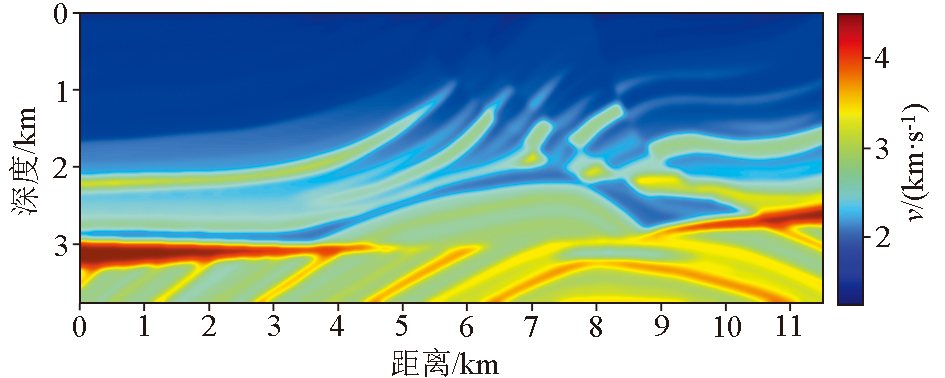
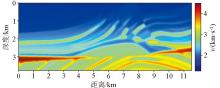
Marmousi model
|
|
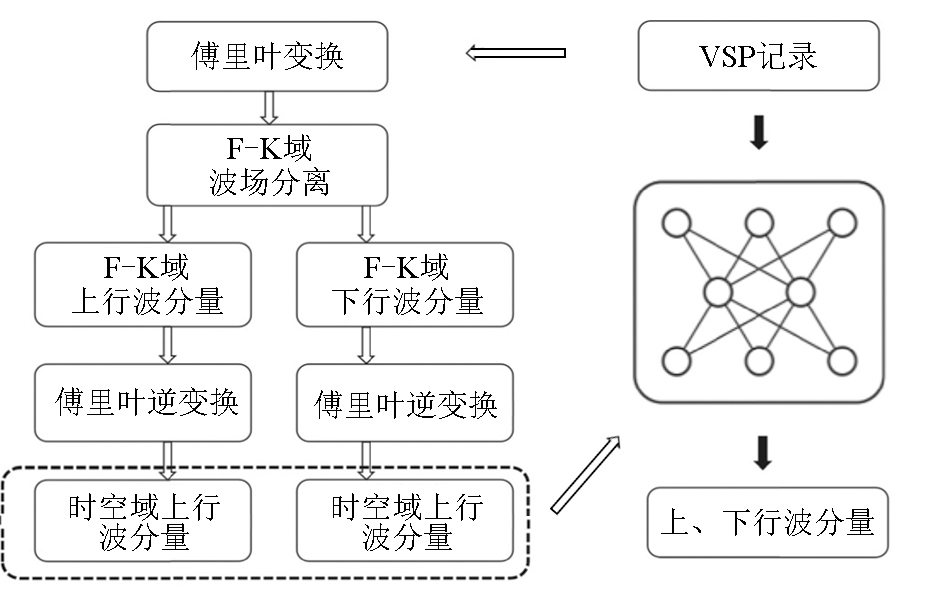
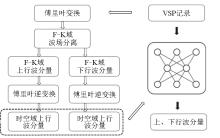
Data driven deep learning based up-/ downgoing wave separation process for VSP
|
|
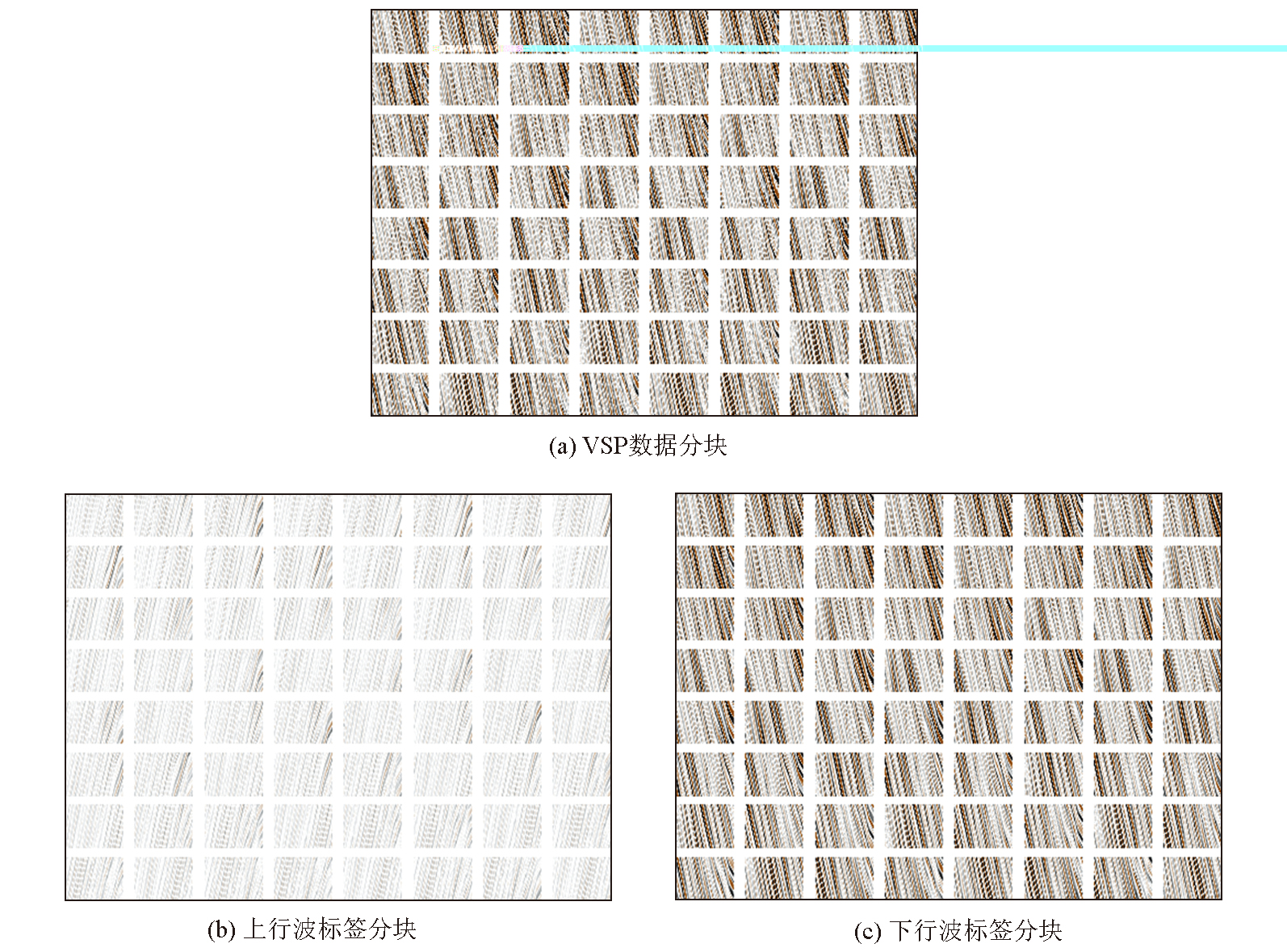
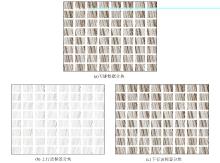
Block of VSP data for part of survey A (the same color indicates the same amplitude value)
|
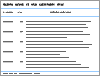
| 井号 | 分块前 | 分块后 | | M1~M10 | 10×(3381, 316) | 10×(335, 128, 128) | | w1 | (5001, 388) | (693, 128, 128) | | w2 | (6001, 407) | (833, 128, 128) | | w3 | (6001, 337) | (714, 128, 128) | | w4 | (5001, 677) | (1188, 128, 128) |
|
Dimensional overview before and after block division of synthetic dataset and zero-offset VSP data in area A
|
|
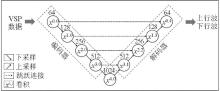
Schematic diagram of Unet network structure
|
|
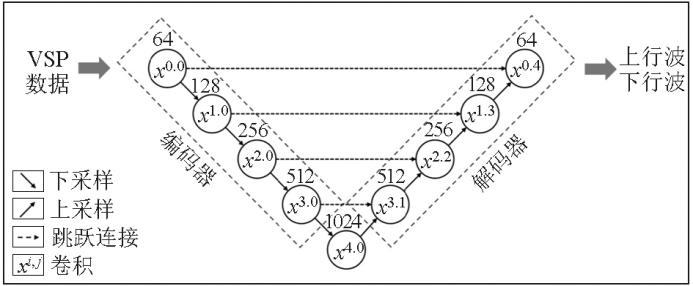
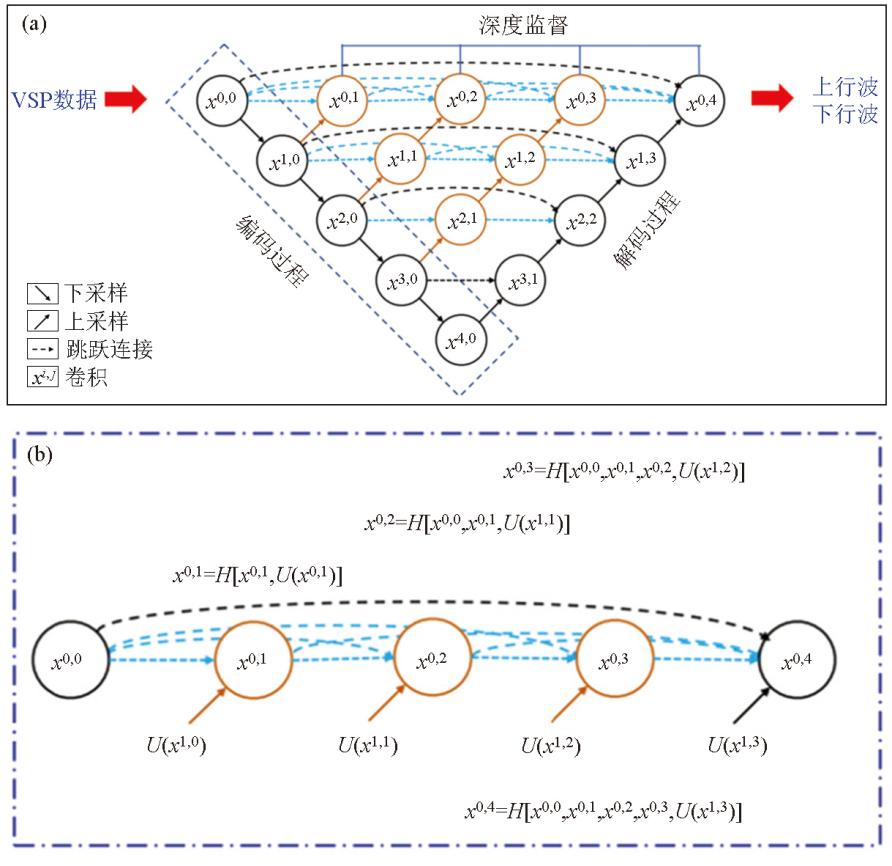
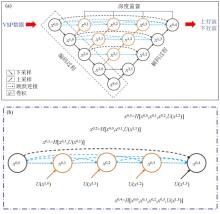
Schematic of Unet++ network architecture(a)and detailed analysis of the first skip connection pathway(b)
|
|
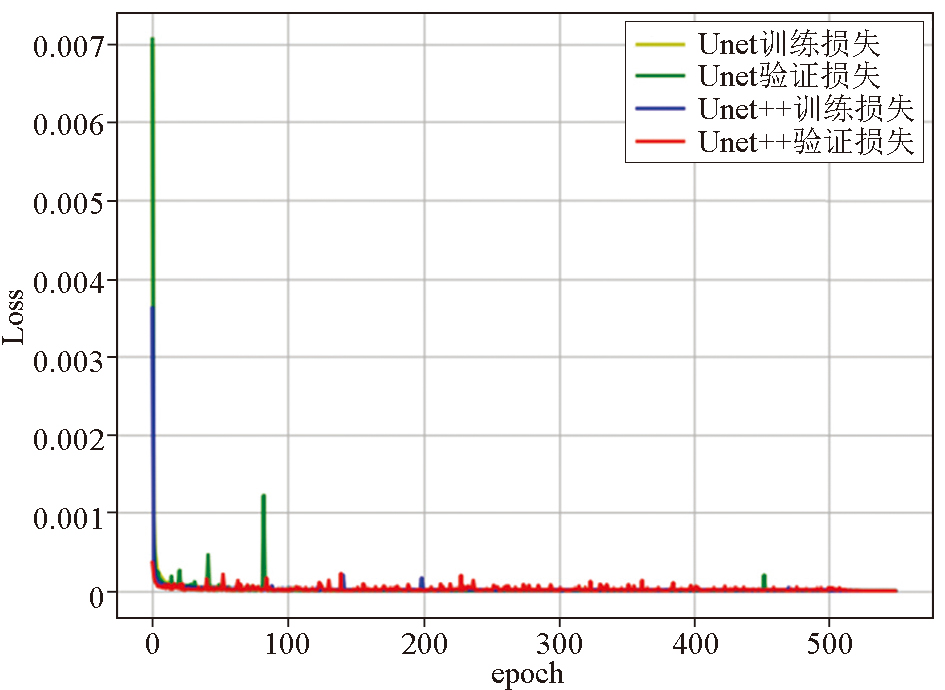
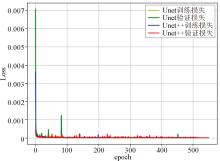
Model learning curve
|
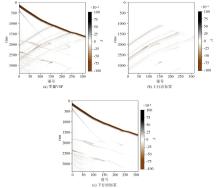
|
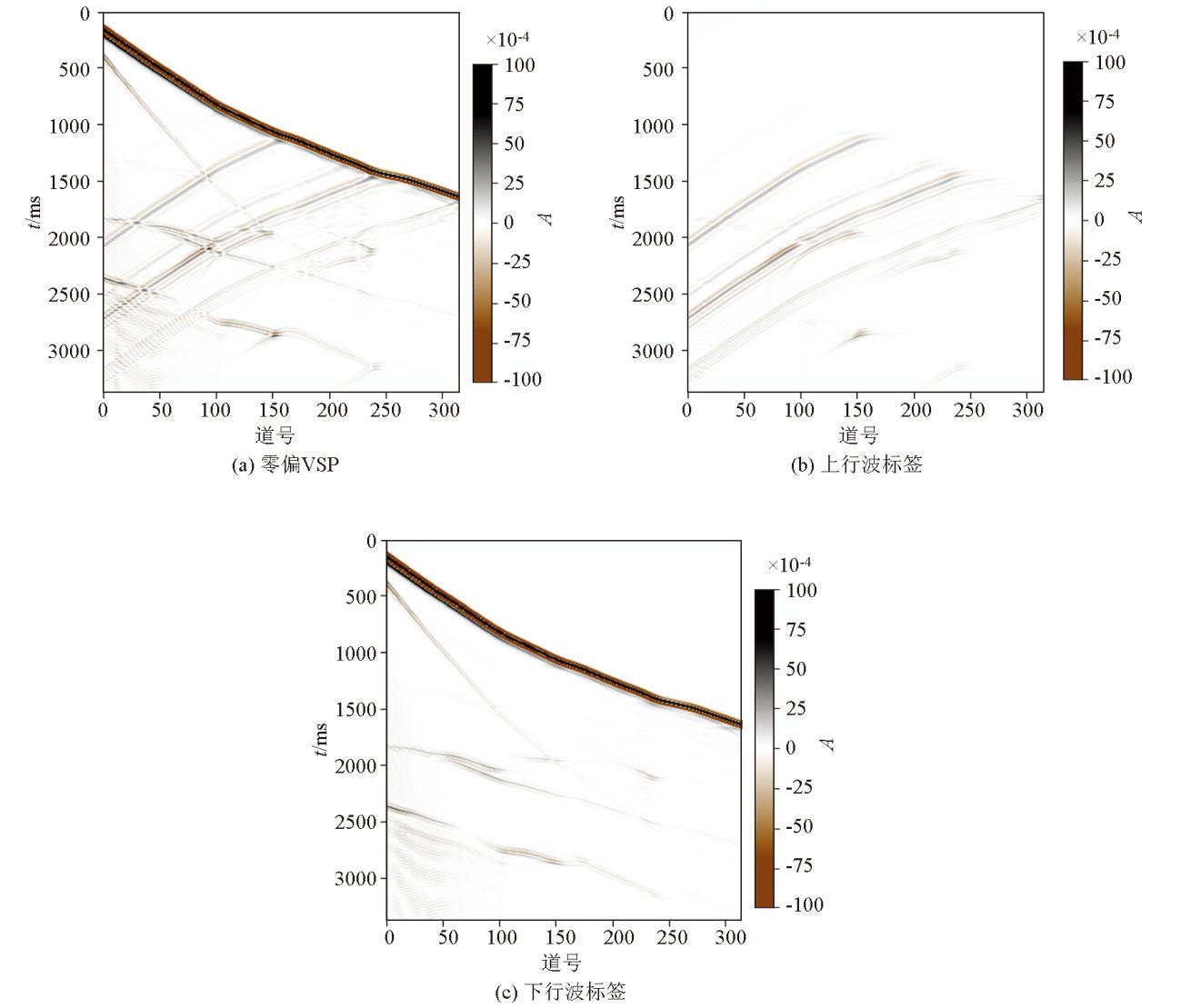
M1 zero-offset synthetic VSP data and up- /down going wave labels
|
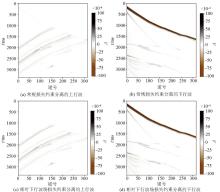
|
Comparison of Unet wavefield separation results for M1 zero-offset synthetic VSP data with conventional loss and adding relative downgoing wavefield loss
|
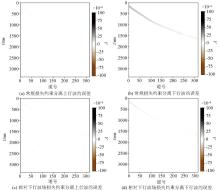
|
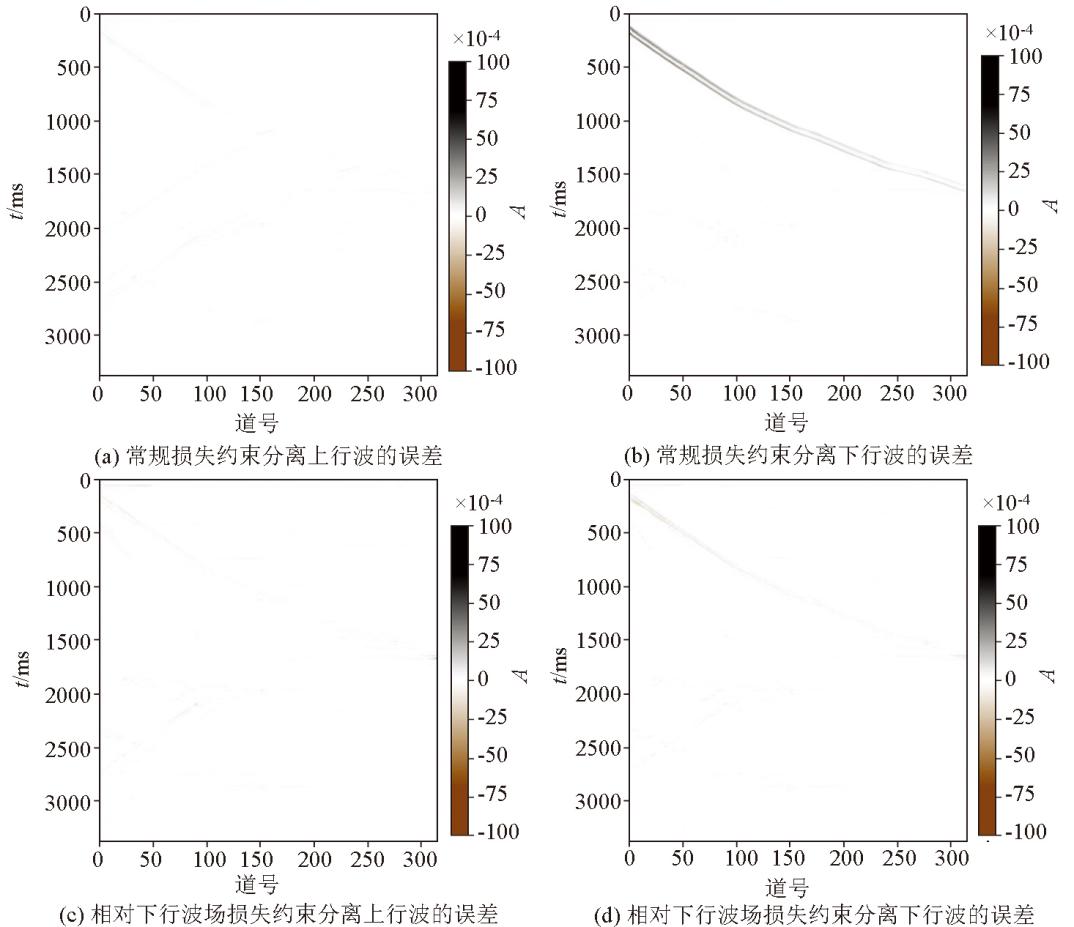
Comparison of residuals between Unet wavefield separation results and labels with conventional loss and adding relative downgoing wavefield loss
|
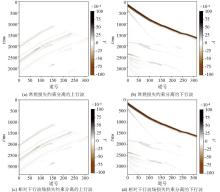
|
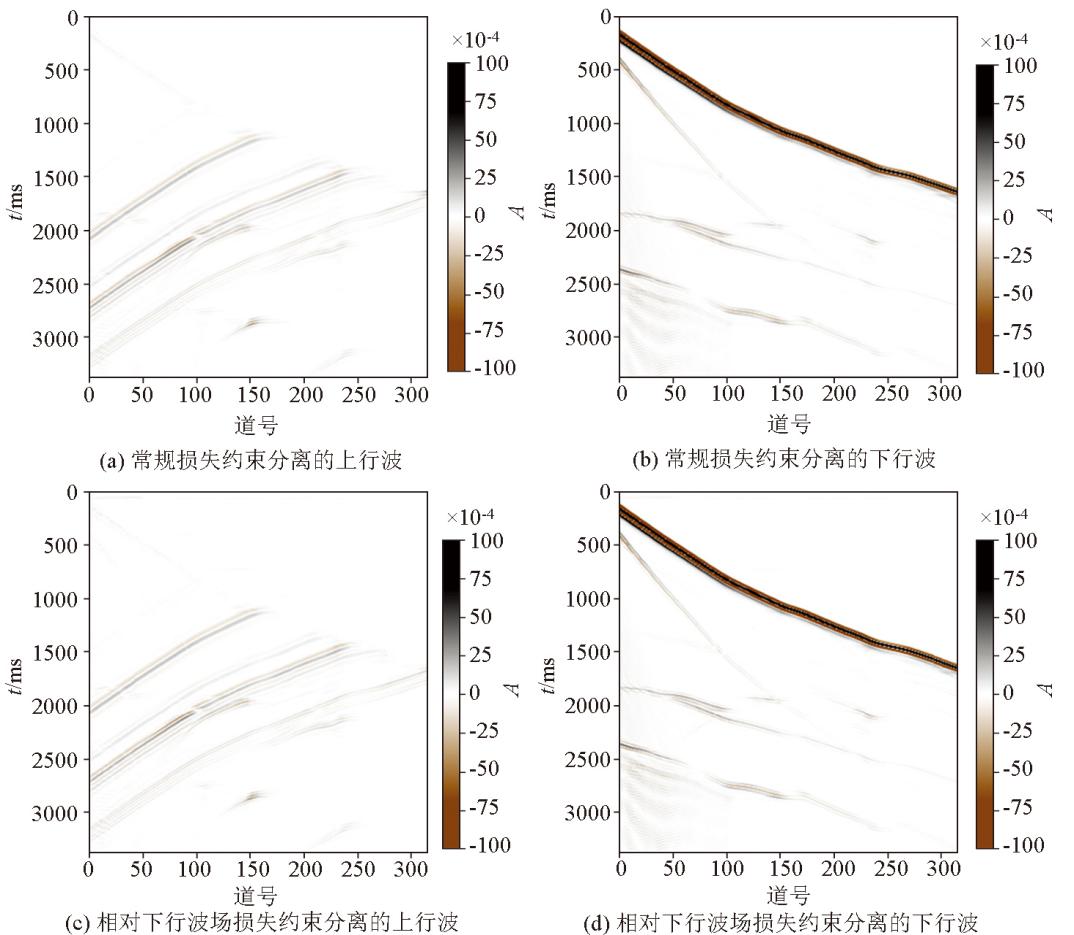
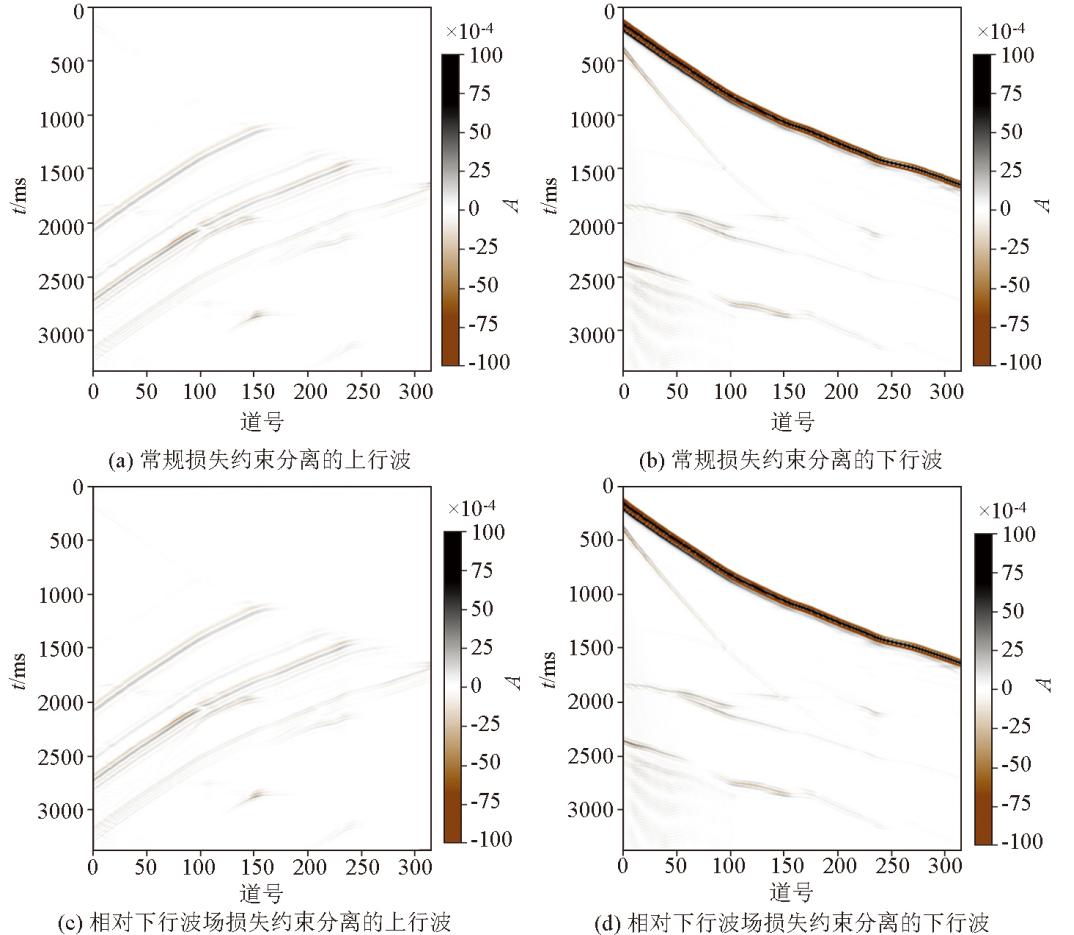
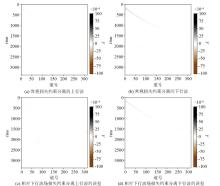
Comparison of Unet++ wavefield separation results for M1 zero-offset synthetic VSP data with conventional loss and adding relative downgoing wavefield loss
|
|
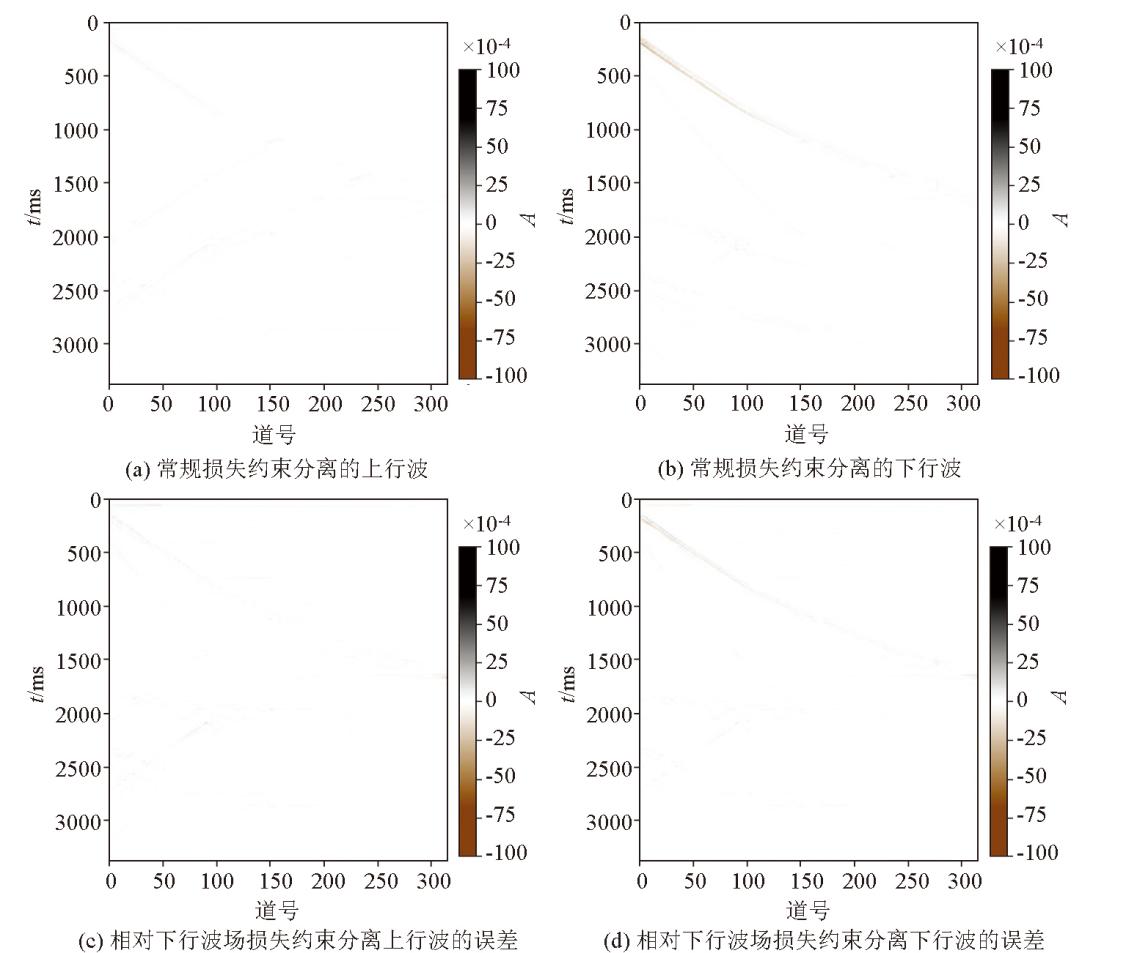
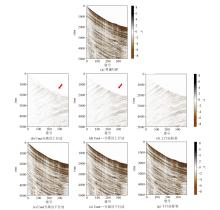
Comparison of residuals between Unet++ wavefield separation results and labels with conventional loss and adding relative downgoing wavefield loss
|
|
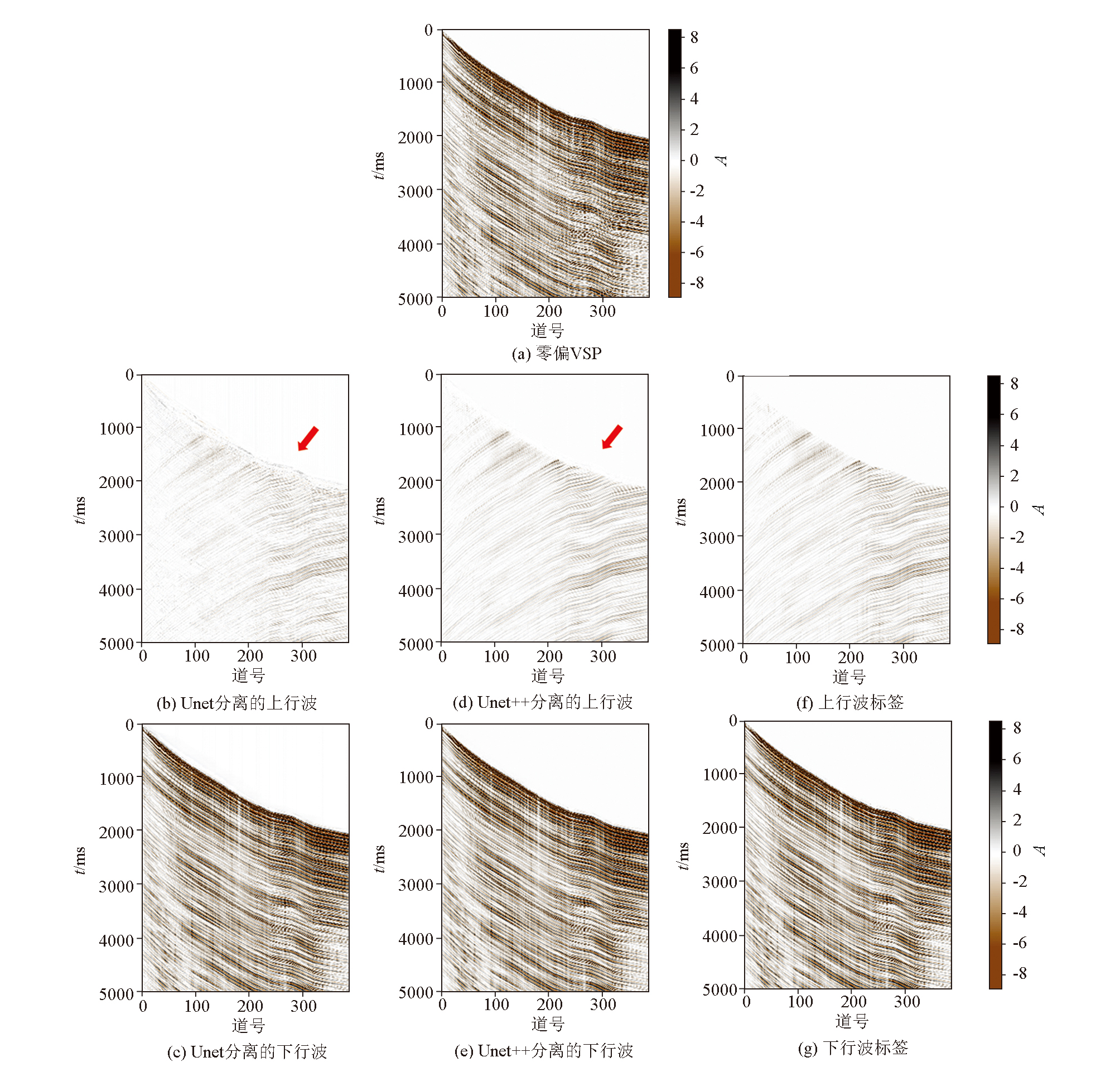
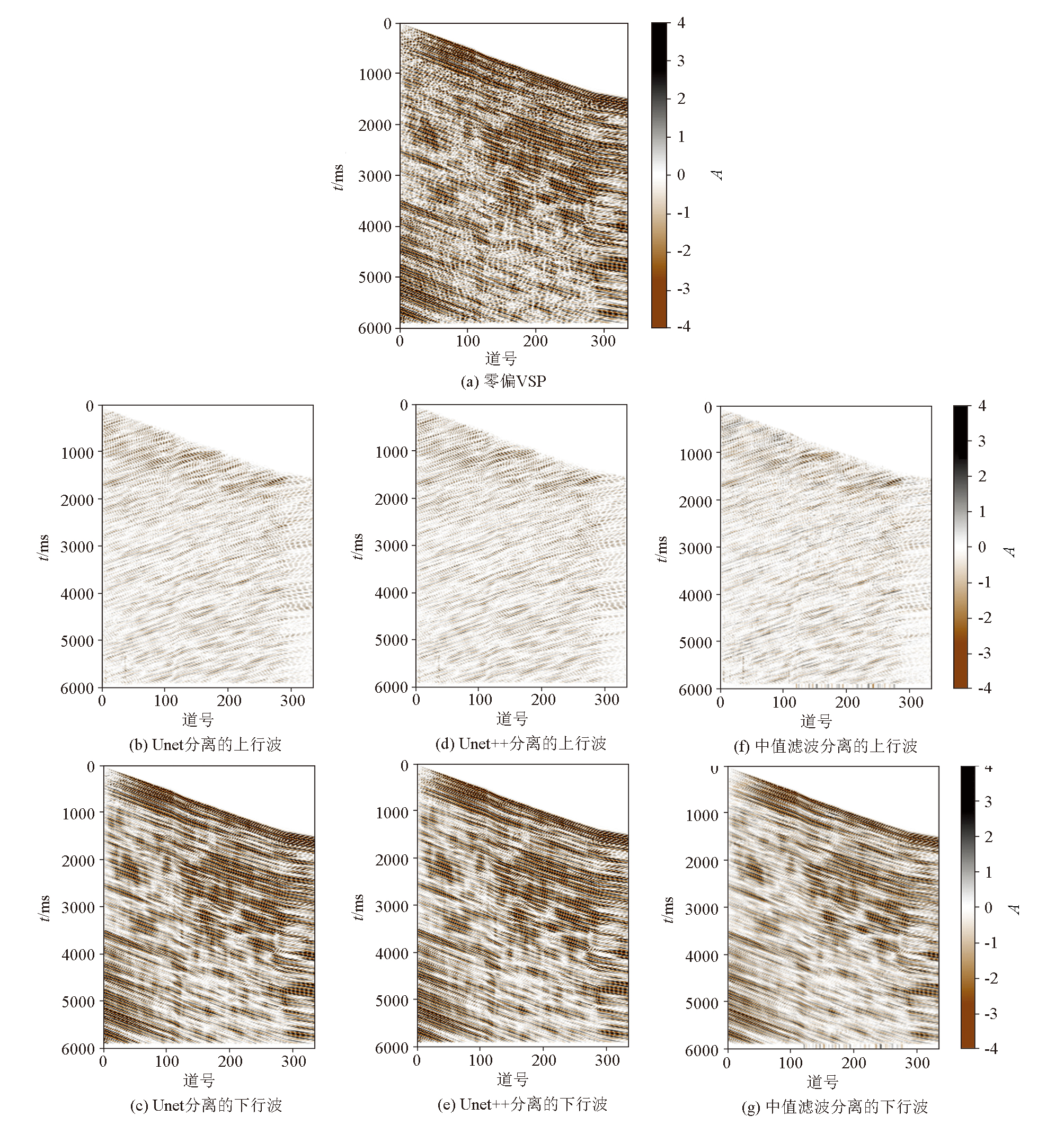
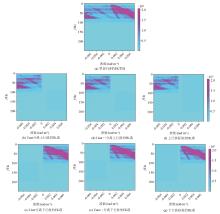
Comparison of wavefield separation results for zero-offset VSP data in A-w1 using different deep learning models
|
|
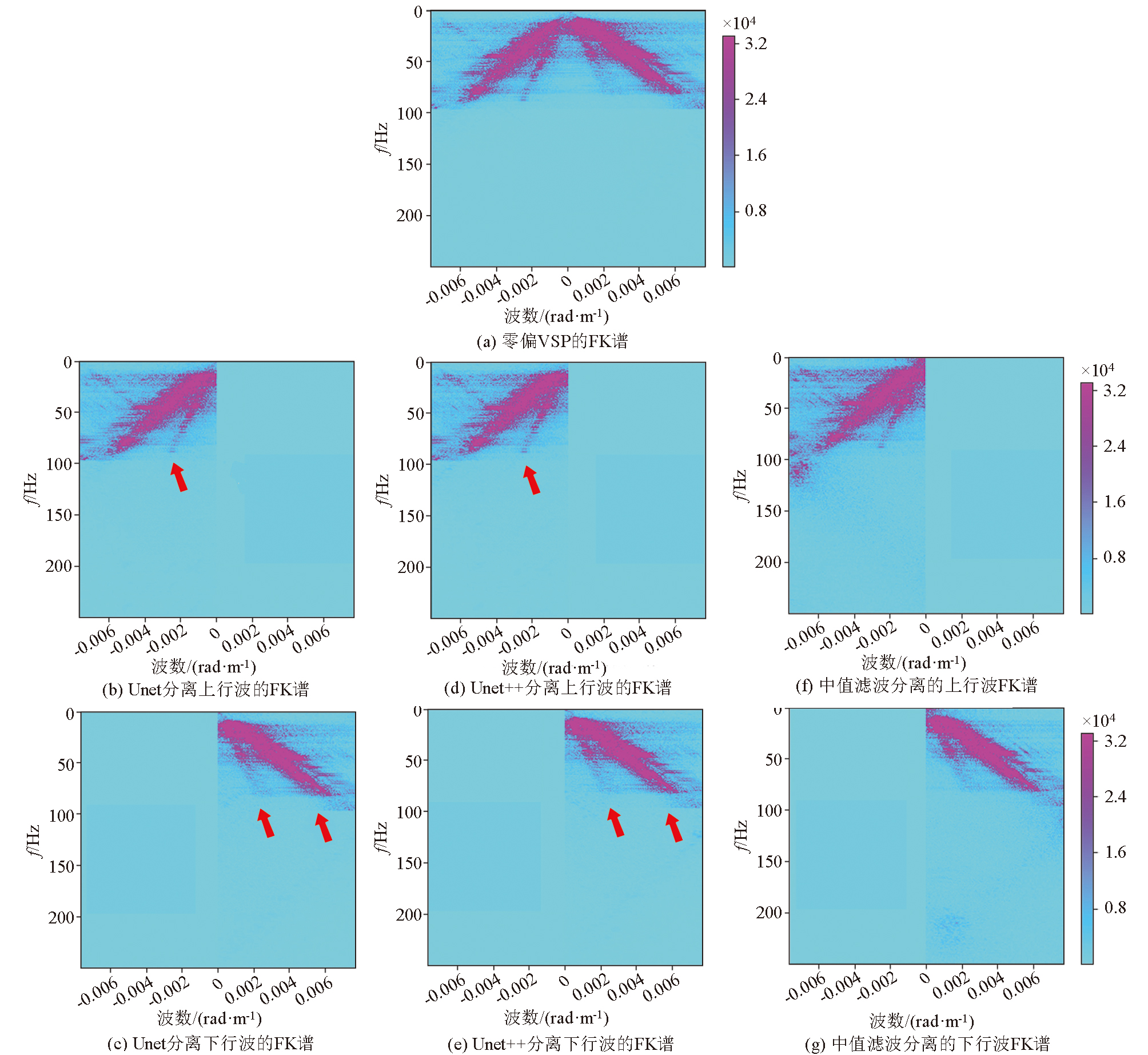
FK spectra of wave field separation results of different deep learning models
|
|
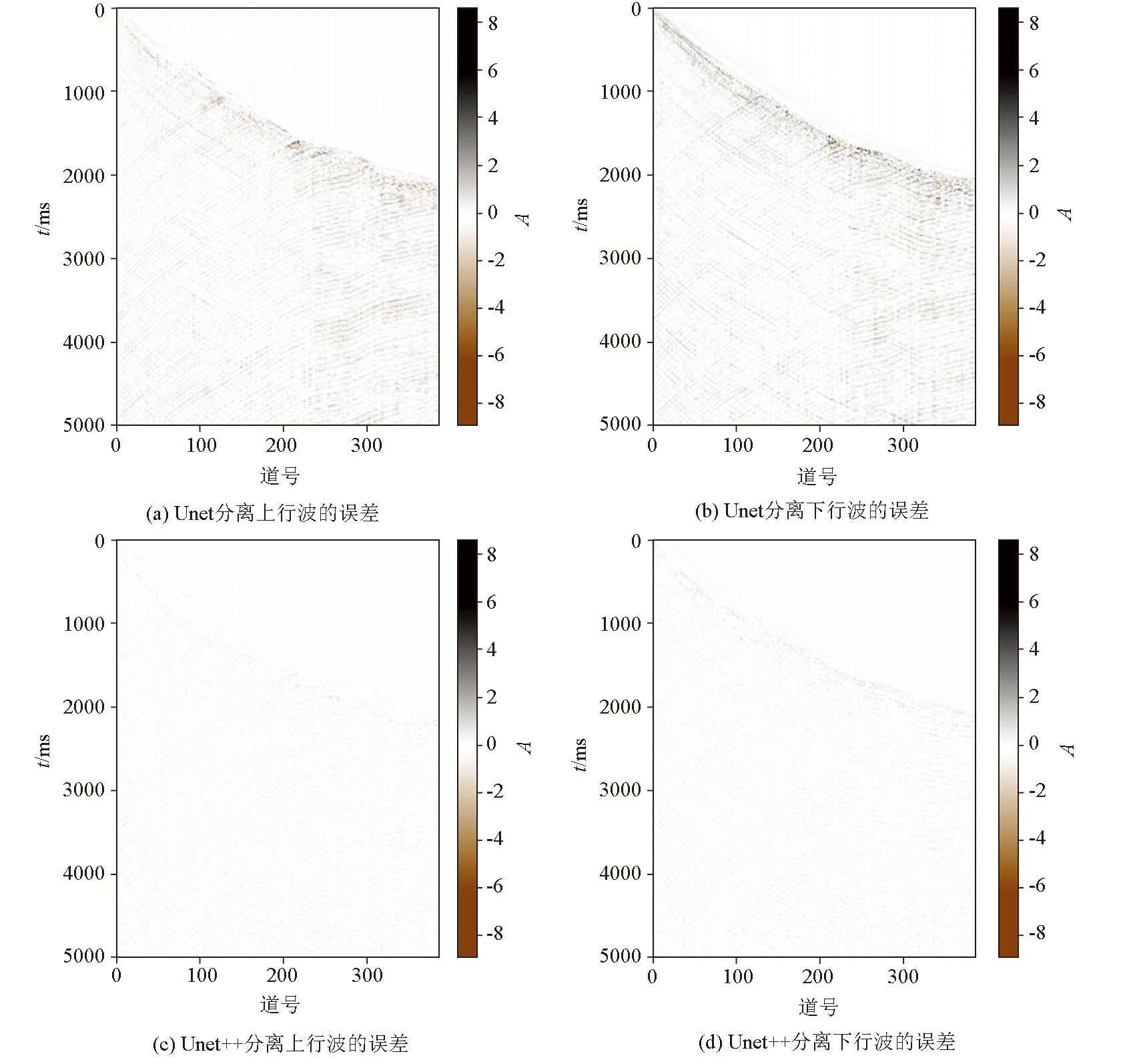
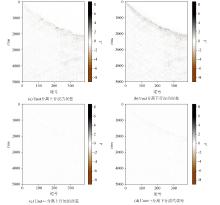
Residual comparison between wavefield separation results and labels across different deep learning models
|
| FK滤波 | Unet | Unet++ | | 占用显存/MiB | - | 5874 | 15114 | | 耗时/s | 258.8 | 81.2 | 110.4 |
|
Computational cost of wave-field separation for different methods in area A
|
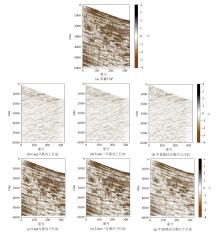
|
Comparison of wavefield separation results for zero-offset VSP data in A-w4 using different deep learning models
|
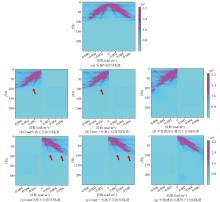
|
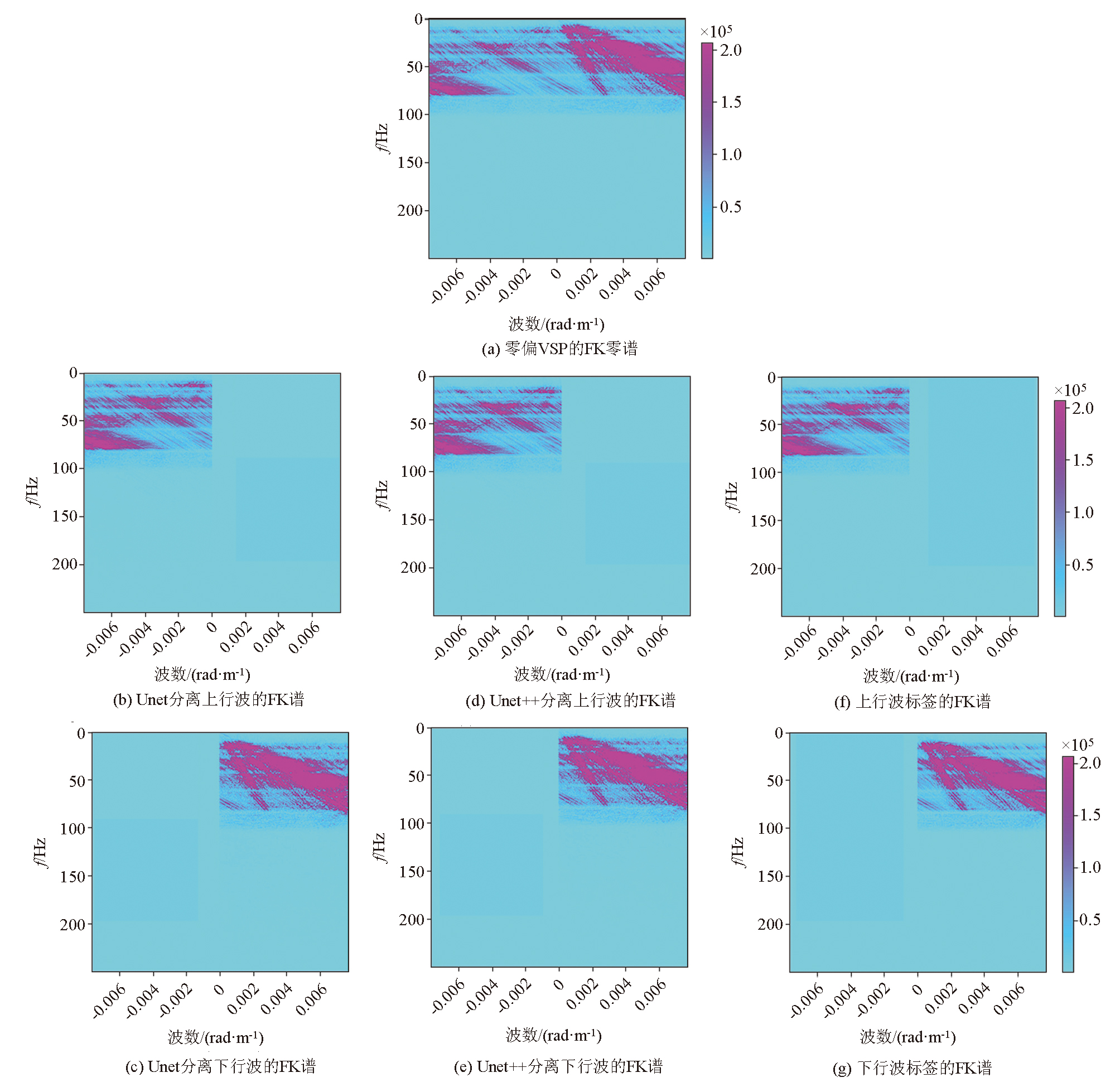
FK spectra of wave field separation results of different deep learning models
|
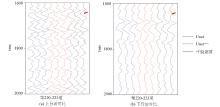
|
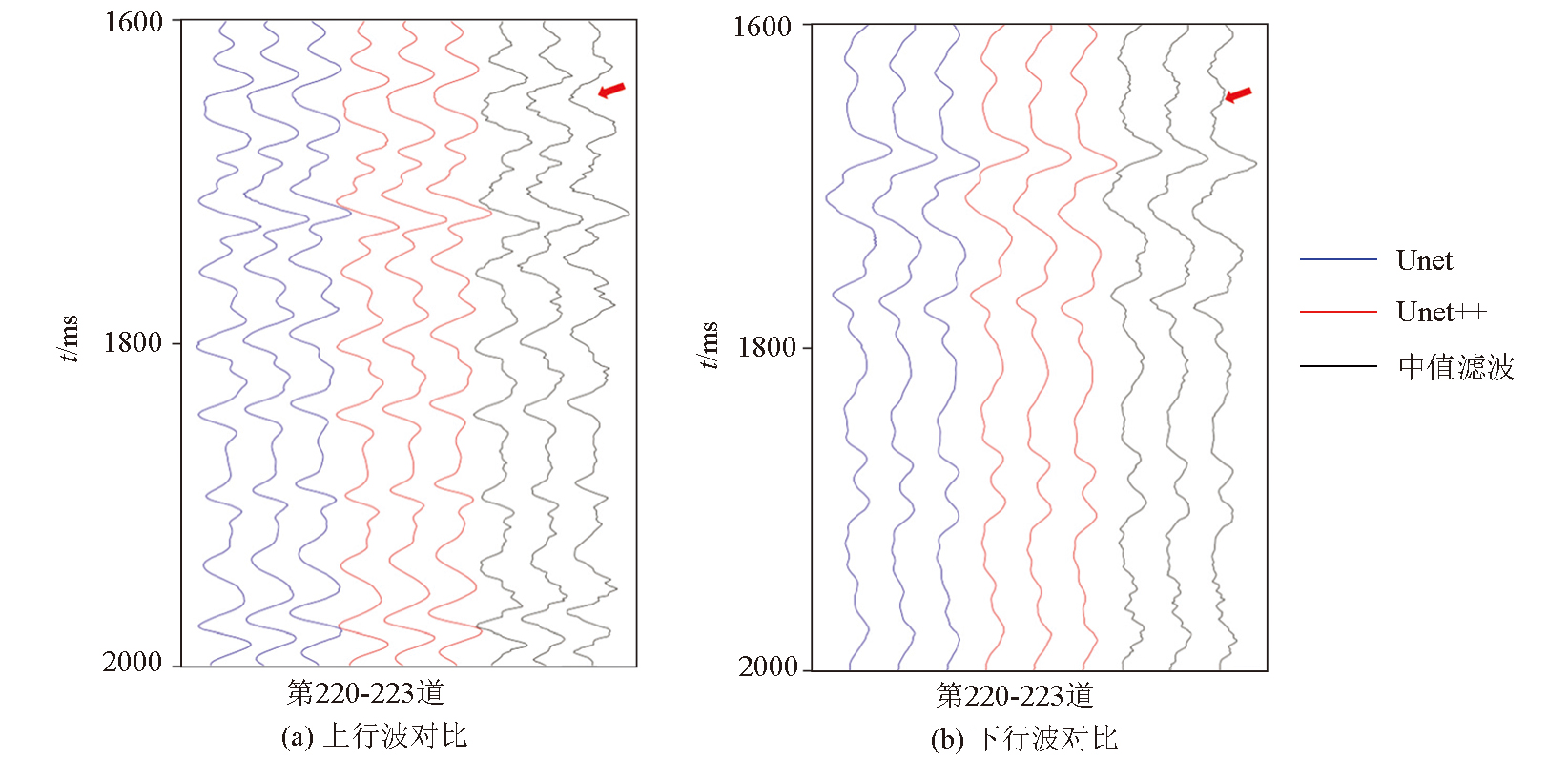
Multi-trace waveform comparison of zero-offset VSP data from well A-w4 using different processing methods
|
| [1] |
胡东海, 杨少辉, 闫有平, 等. VSP资料地震属性的提取和应用[J]. 石油物探, 2004, 43(S1):83-85.
|
| [1] |
Hu D H, Yang S H, Yan Y P, et al. Extraction and application of seismic attributes from VSP data[J]. Geophysical Prospecting for Petroleum, 2004, 43(S1):83-85.
|
| [2] |
Suprajitno M, Greenhalgh S A. Separation of upgoing and downgoing waves in vertical seismic profiling by contour-slice filtering[J]. Geophysics, 1985, 50(6):950-962.
|
| [3] |
Wang X K, Chen J Y, Gao L, et al. An iterative zero-offset VSP wavefield separating method based on the error analysis of SVD filtering[J]. IEEE Geoscience and Remote Sensing Letters, 2018, 15(8):1164-1168.
|
| [4] |
Matsushima J, Ali M Y, Bouchaala F. A novel method for separating intrinsic and scattering attenuation for zero-offset vertical seismic profiling data[J]. Geophysical Journal International, 2017, 211(3):1655-1668.
|
| [5] |
Gao L, Chen W C, Wang B L, et al. VSP wave field separation:An optimization method based on block relaxation and singular value thresholding[J]. Journal of Applied Geophysics, 2014, 104:156-162.
|
| [6] |
Jin C, Cao D P, Yin X Y. Joint waveform inversion with the separated upgoing and downgoing wavefields of VSP data[J]. Journal of Geophysics and Engineering,2019:gxz086.
|
| [7] |
Huang T, Yang G, Tang G. A fast two-dimensional Median filtering algorithm[J]. IEEE Transactions on Acoustics,Speech,and Signal Processing, 1979, 27(1):13-18.
|
| [8] |
Duncan G, Beresford G. Some analyses of 2-D median F-K filters[J]. Geophysics, 1995, 60(4):1157-1168.
|
| [9] |
Moon W, Carswell A, Tang R, et al. Radon transform wave field separation for vertical seismic profiling data[J]. Geophysics, 1986, 51(4):940-947.
|
| [10] |
闵超, 文国权, 李小刚, 等. 可解释机器学习在油气领域人工智能中的研究进展与应用展望[J]. 天然气工业, 2024, 44(9):114-126.
|
| [10] |
Min C, Wen G Q, Li X G, et al. Research progress and application prospect of interpretable machine learning in artificial intelligence in oil and gas industry[J]. Natural Gas Industry, 2024, 44(9):114-126.
|
| [11] |
郭子熙, 马骉, 张帅, 等. 深度学习在油气产量预测中的研究进展与技术展望[J]. 天然气工业, 2024, 44(9):88-98.
|
| [11] |
Guo Z X, Ma B, Zhang S, et al. Research status and prospects of deep learning in oil and gas production prediction[J]. Natural Gas Industry, 2024, 44(9):88-98.
|
| [12] |
Wang B F, Zhang N, Lu W K, et al. Deep-learning-based seismic data interpolation:A preliminary result[J]. Geophysics, 2018, 84(1):V11-V20.
|
| [13] |
Di H B, Li Z, Maniar H, et al. Seismic stratigraphy interpretation by deep convolutional neural networks:A semisupervised workflow[J]. Geophysics, 2020, 85(4):WA77-WA86.
|
| [14] |
Cui R A, Cao D P, Liu Q, et al. VP and VS prediction from digital rock images using a combination of U-Net and convolutional neural networks[J]. Geophysics, 2021, 86(1):MR27-MR37.
|
| [15] |
Cova D, 刘洋, 丁成震, 等. 人工智能和视速度约束的地震波初至拾取方法[J]. 石油地球物理勘探, 2021, 56(3):419-435,409.
|
| [15] |
Cova D, Liu Y, Ding C Z, et al. First break picking method based on artificial intelligence and apparent velocity constraint[J]. Oil Geophysical Prospecting, 2021, 56(3):419-435,409.
|
| [16] |
Han S, Liu Y J, Li Y B, et al. First arrival traveltime picking through 3-D U-Net[J]. IEEE Geoscience and Remote Sensing Letters, 2021, 19:8016405.
|
| [17] |
Wang W L, McMechan G A, Ma J W, et al. Automatic velocity picking from semblances with a new deep-learning regression strategy:Comparison with a classification approach[J]. Geophysics, 2021, 86(2):U1-U13.
|
| [18] |
Sun J, Slang S, Elboth T, et al. A convolutional neural network approach to deblending seismic data[J]. Geophysics, 2020, 85(4):WA13-WA26.
|
| [19] |
Wang S R, Hu W Y, Yuan P Y, et al. A self-supervised deep learning method for seismic data deblending using a blind-trace network[J]. IEEE Transactions on Neural Networks and Learning Systems, 2023, 34(7):3405-3414.
|
| [20] |
Feng Q K, Li Y. Denoising deep learning network based on singular spectrum analysis—DAS seismic data denoising with multichannel SVDDCNN[J]. IEEE Transactions on Geoscience and Remote Sensing, 2021, 60:5902911.
|
| [21] |
Zhang M, Liu Y, Bai M, et al. Seismic noise attenuation using unsupervised sparse feature learning[J]. IEEE Transactions on Geoscience and Remote Sensing, 2019, 57(12):9709-9723.
|
| [22] |
Deng D D, Liu Y, et al. A wavefield decomposition-guided deep-learning framework for removing smearing artifacts from VSP RTM[J]. Journal of Geophysics and Engineering, 2025, 22(4):1085-1095.
|
| [23] |
孙宇航, 刘洋, 陈天胜. 基于无监督深度学习的多波AVO反演及储层流体识别[J]. 石油物探, 2021, 60(3):385-394,413.
|
| [23] |
Sun Y H, Liu Y, Chen T S. Multi-wave amplitude-versus-offset inversion and reservoir fluid identification based on unsupervised deep learning[J]. Geophysical Prospecting for Petroleum, 2021, 60(3):385-394,413.
|
| [24] |
Sun Y H, Liu Y, Zhang M, et al. Inversion of low- to medium-frequency velocities and densities from AVO data using invertible neural networks[J]. Geophysics, 2022, 87(3):A37-A42.
|
| [25] |
Zhang H R, Chen T S, Liu Y, et al. Automatic seismic facies interpretation using supervised deep learning[J]. Geophysics, 2021, 86(1):IM15-IM33.
|
| [26] |
Tao B C, Yang Y Y, Zhou H L, et al. Deep learning-based upgoing and downgoing wavefield separation for vertical seismic profile data[J]. Geophysics, 2023, 88(6):D339-D355.
|
| [27] |
Cao D P, Chen X, Jia Y, et al. Upgoing and downgoing wavefield separation in VSP data using CGAN based on asymmetric convolution blocks[J]. Journal of Geophysics and Engineering, 2024, 21(5):1511-1525.
|
| [28] |
Zhou Z W, Siddiquee M M R, Tajbakhsh N, et al. UNet++:Redesigning skip connections to exploit multiscale features in image segmentation[J]. IEEE Transactions on Medical Imaging, 2020, 39(6):1856-1867.
|
| [29] |
Huber P J. Robust regression:Asymptotics,conjectures and Monte Carlo[J]. The Annals of Statistics, 1973, 1(5):799-821.
|
| [30] |
Zhang Y F, Thorburn P J, Xiang W, et al. SSIM: A deep learning approach for recovering missing time series sensor data[J]. IEEE Internet of Things Journal, 2019, 6(4):6618-6628.
|
|
|
|